Voice of the Sea documentary features Fish Resilience Program
The lab’s coral reef fish research is featured in a full documentary episode on Voice of the Sea, a PBS Hawaiʻi television series produced by Hawaiʻi Sea Grant.
Read more →
Behavioral Eco-Physiology × Environmental Stress
Hawaiʻi Institute of Marine Biology • Moku o Loʻe (Coconut Island)
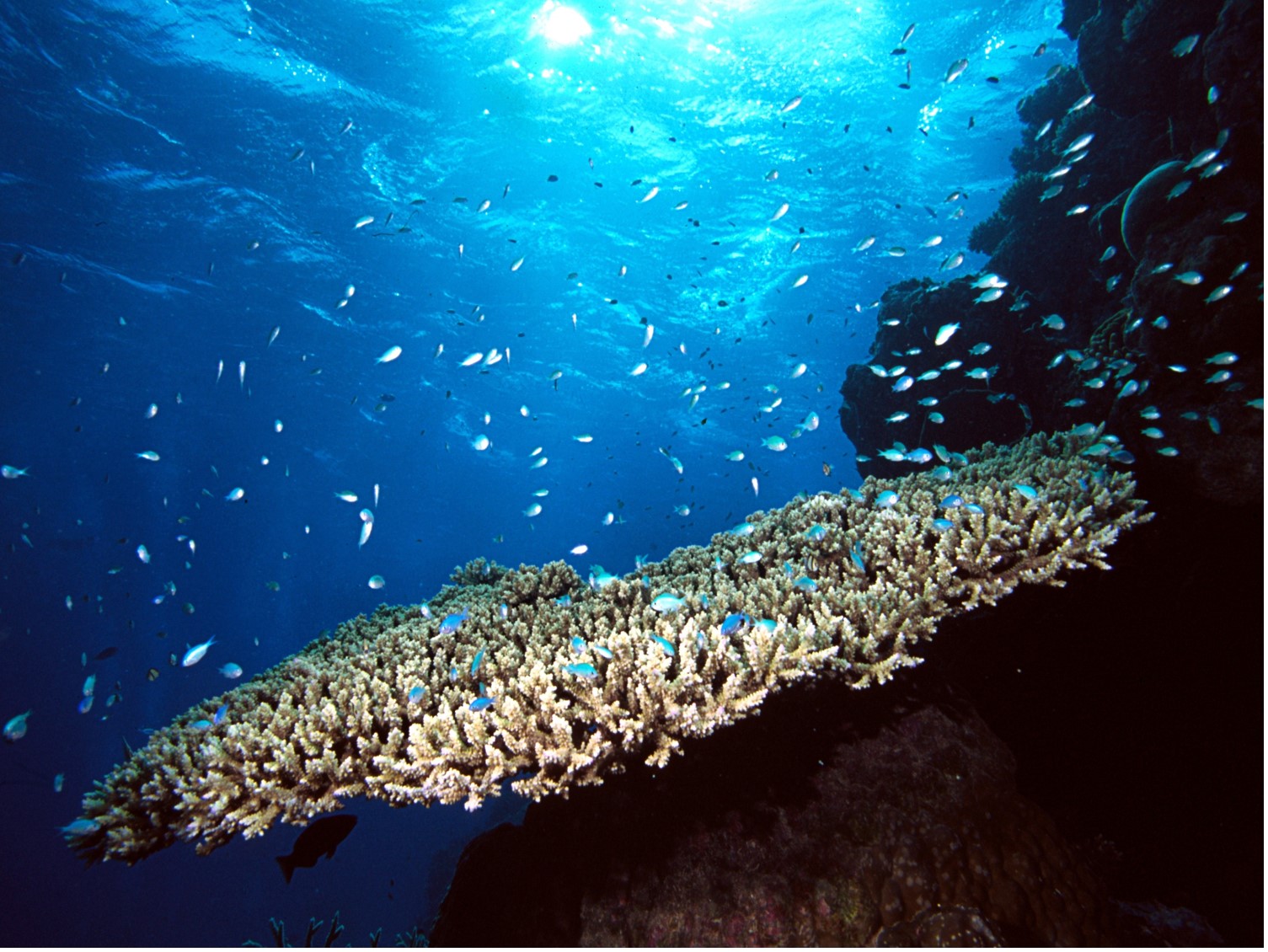
We study how tropical coral reef fishes react and adapt to environmental stressors, and provide scalable solutions to preserve, restore and increase reef fish and fisheries productivity.
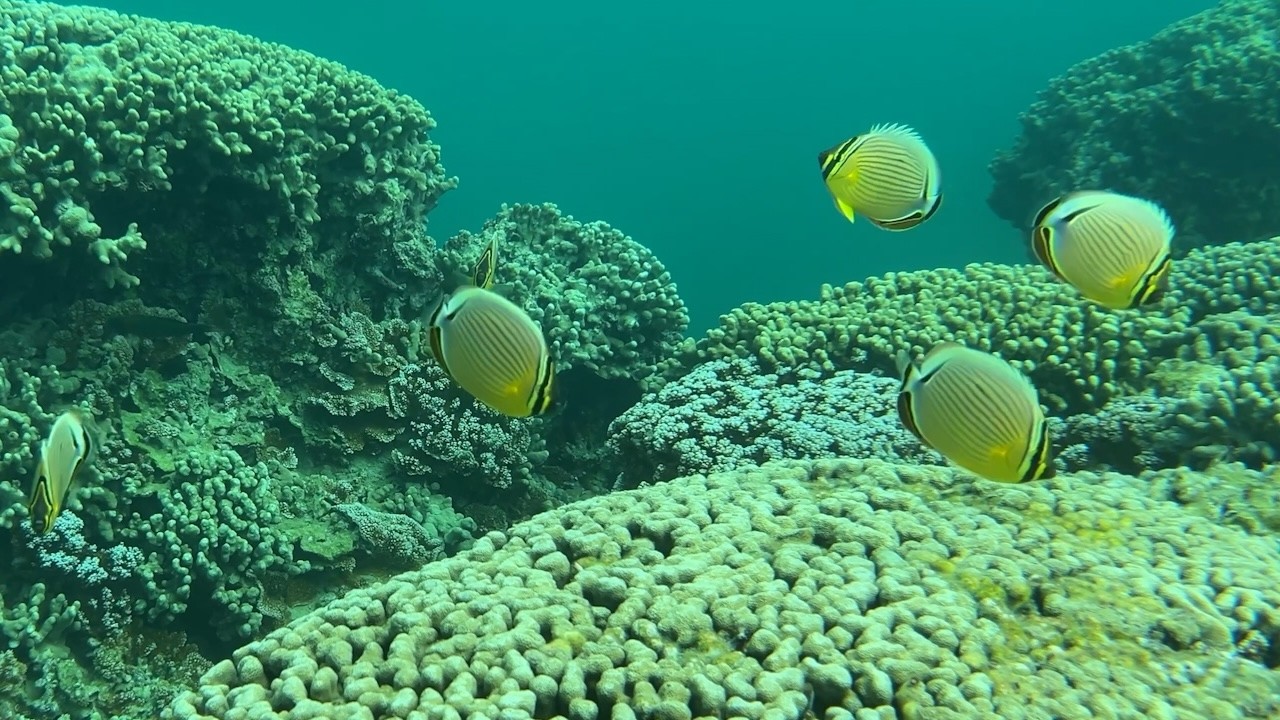
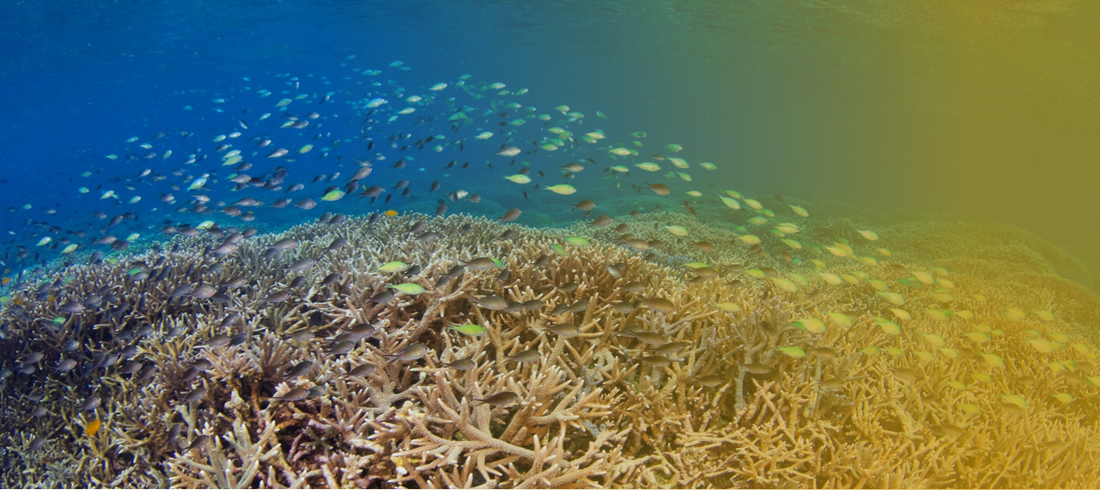
Fishes on coral reefs are extremely diverse and play many roles. Some forage on algae that otherwise overgrow and kill corals, while others are critical for productive, sustainable fisheries upon which more than 500 million people depend. However, many species are highly sensitive to stress and will decline or disappear when conditions surpass their tolerance thresholds.
The Fish Resilience Program is comprised of the Fish Resilience Research Laboratory and the Fish Resilience Center, stationed at the Hawaiʻi Institute of Marine Biology (HIMB) on the beautiful Moku o Loʻe (Coconut Island).
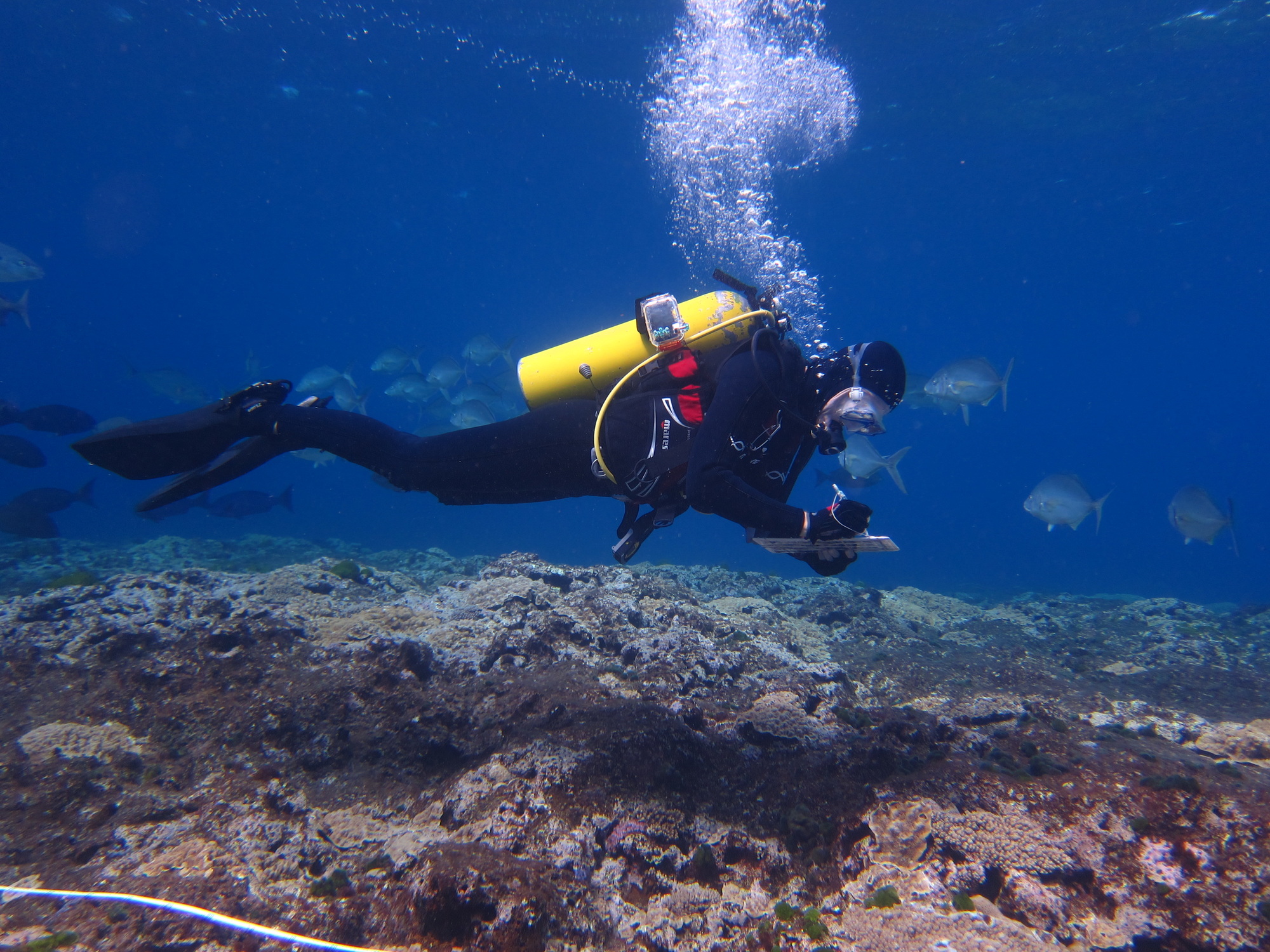
We study how tropical coral reef fishes (and octopus) react and adapt to natural and human-induced environmental stressors. All of our work is designed to increase our capacity to preserve, restore, and increase reef fish health in support of both ecosystem functions and sustainable fisheries.
Contact PI Johansen for inquiries.
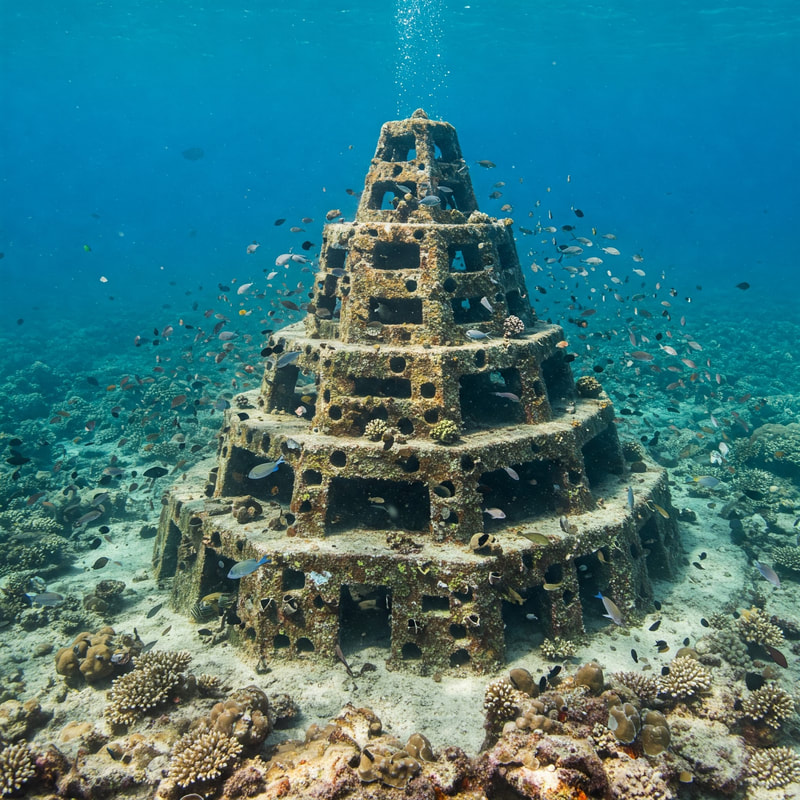
This research springs from Native Hawaiian knowledge and is using novel research strategies to design biomimetic, nature-based artificial fish habitat structures.
This research works to quantify threshold tolerance limits of key coral reef fishes to terrstrial sediment runoff, and clarify impacts to fisheries productivity.
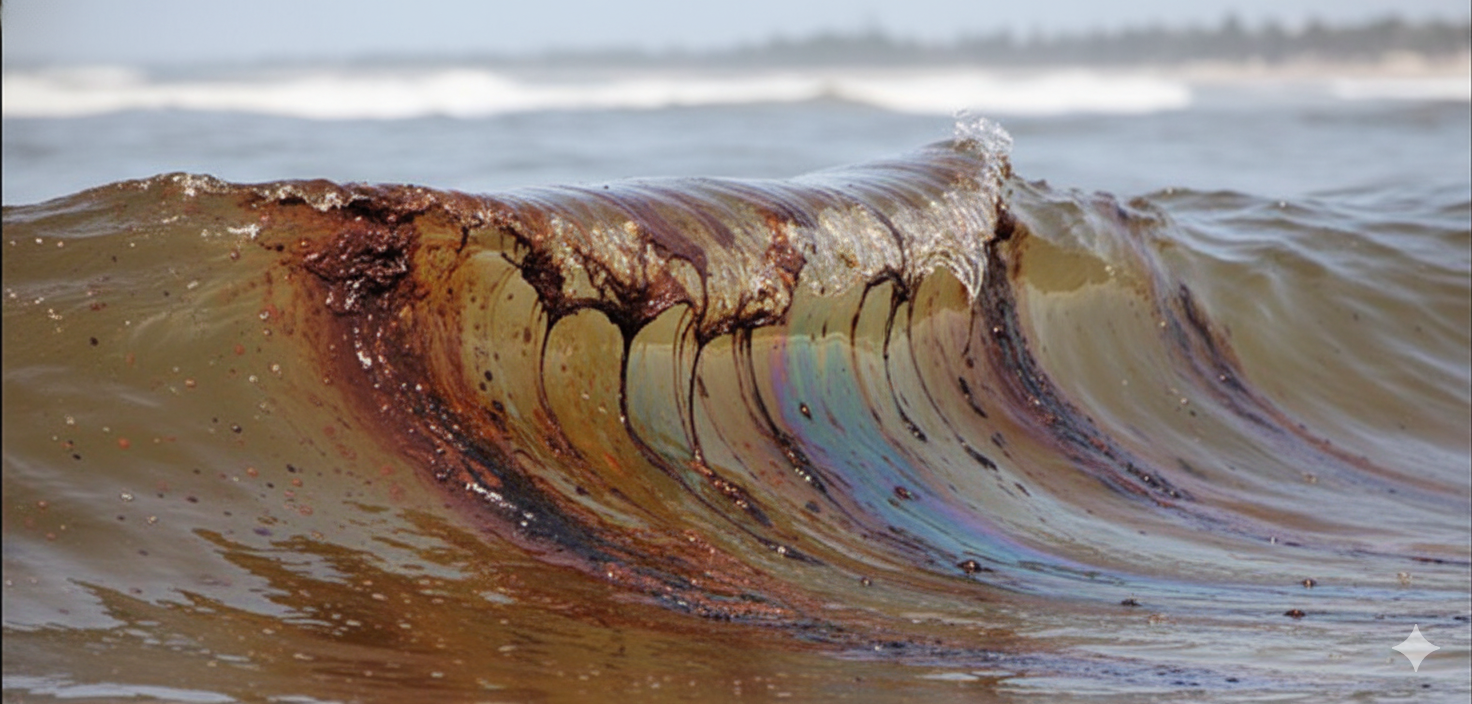
This research uses state-of-the-art toxicological assays to clarify contamination effects on reef fish resilience and survival.
Here we work to quantify the capacity of reef fish and octopus to tolerate recurrent marine heatwaves, validated through complementary field and lab assessments.
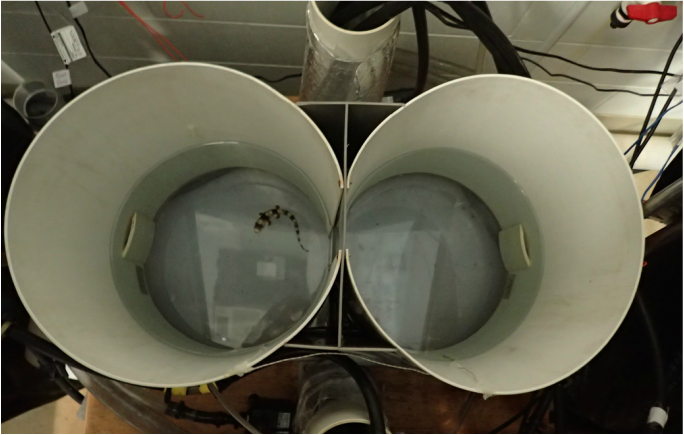
This research quantifies innate preferences for water-quality conditions and avoidance triggers in reef organisms, to explain why species dissappear from some, but not other locations.
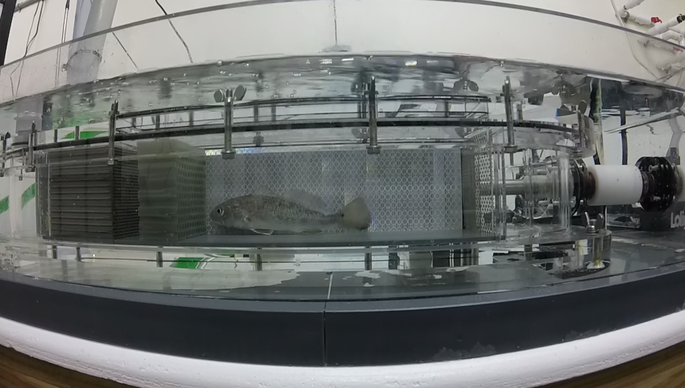
We are a global leader in using resting and swimming respirometry to quantify daily energy demands and thermal tolerance limits of tropical aquatic organisms.
Publications, team milestones, outreach highlights, software releases & field updates
The lab’s coral reef fish research is featured in a full documentary episode on Voice of the Sea, a PBS Hawaiʻi television series produced by Hawaiʻi Sea Grant.
Read more →
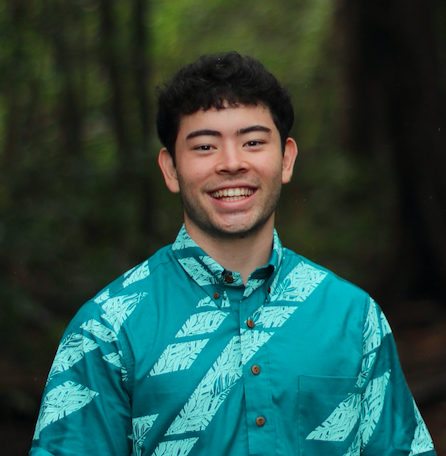
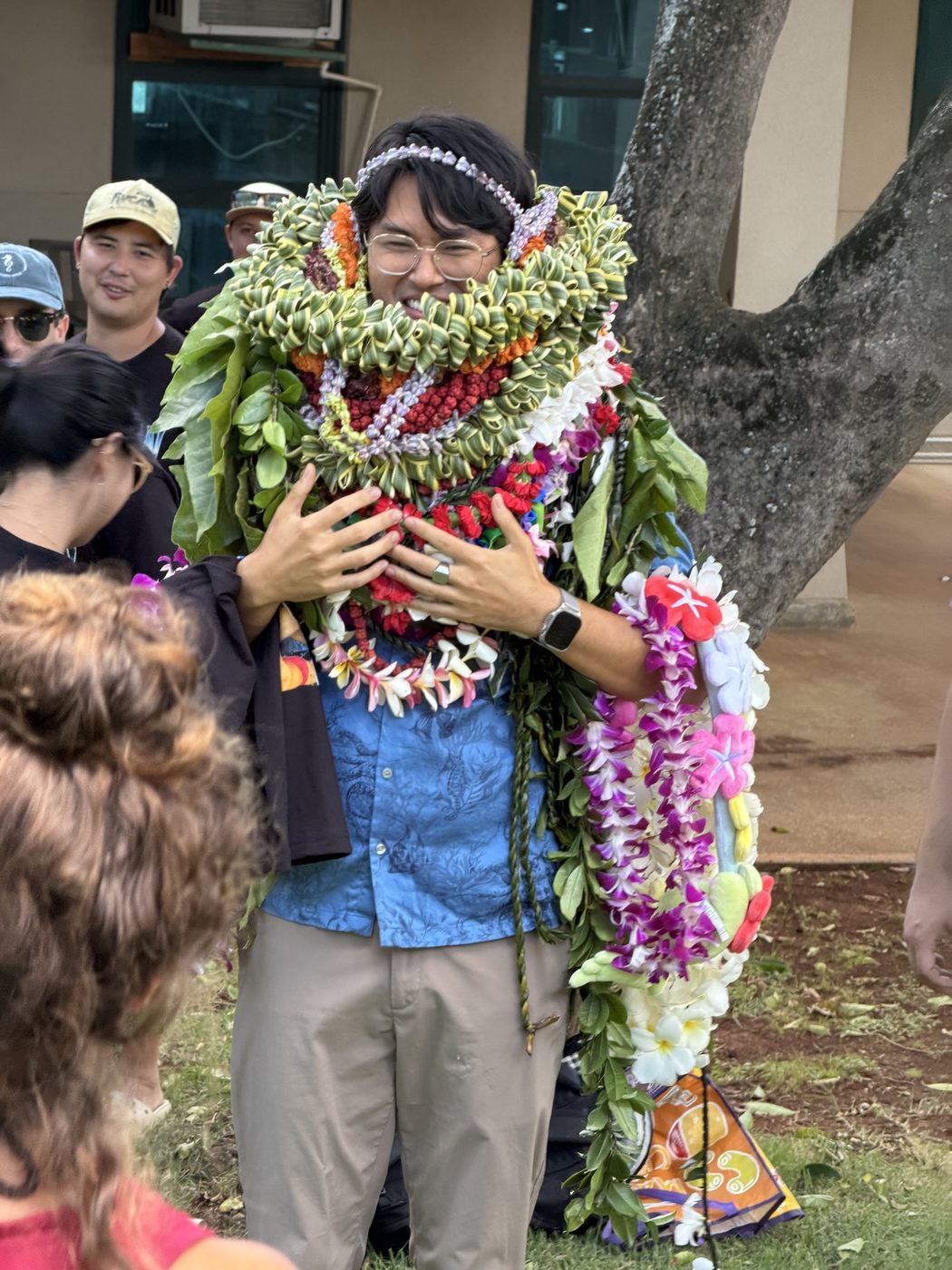
Johansen Lab student and Hawaiʻi Sea Grant Fellow Leon Tran has been selected for a nationally competitive fisheries fellowship.
Read article (UH News)
Honolulu Civil Beat published a feature on the lab’s work showing how herbivorous reef fish help protect coral reefs.
Read more →A major update to the Temp-Pref Tracker software for analyzing thermal preference experiments. Version 2 adds real-time shuttle-box tracking and more.
Learn more & download
Congratulations to ʻAʻaliʻi Kelling for successfully defending his M.S. thesis on the influence of Native Hawaiian imu (fish houses) on juvenile fish behavior!
Meet the team
Vaughan GO, Ripley DM, Mitchell MD, McParland D, Johansen JL, Shiels HA, Burt JA (2025) Global Change Biology, 31(3), p.e70100.
View all publications
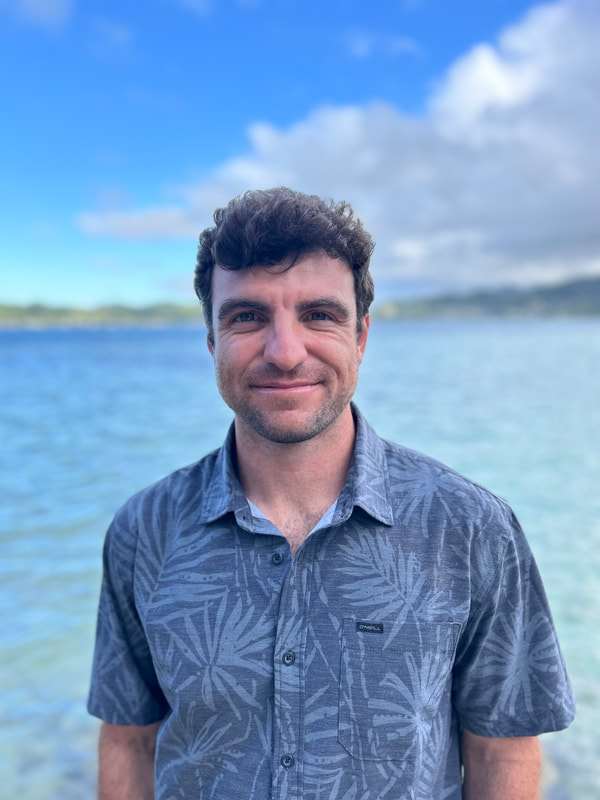
Associate Research Professor (tenured), Hawaiʻi Institute of Marine Biology, University of Hawaiʻi Mānoa
Originally from Northern Europe (Denmark), Jacob spent over 20 years working all over the globe. With a strong background in eco-physiology and behavioral ecology, his research focuses on how tropical coral reef organisms react and adapt to environmental stress.
Postdoctoral Researcher
Research: Predicting spatial and temporal responses of herbivorous fishes to sediment runoff. Background in reef fish ecology, seascape ecology and herbivory.
Ph.D. candidate (NSF GRFP Fellow)
Investigating organismal physiology under environmental change. Focus on how individual organismal physiology drives population-level responses in species of conservation concern in coral reef ecosystems.
Ph.D. candidate (NSF GRFP Fellow)
Effects of suspended sediment on the retainment and delivery of reef fish functions.
Ph.D. candidate
Resilience of coral reef fishes to terrigenous run-off. Combining field and laboratory techniques.
Ph.D. student
Assessing the influence of Native Hawaiian imu (fish houses) on juvenile fish behavior.
Lab Manager (2024–Present)
B.S. Marine Biology, Cal Poly Humboldt. Former Scientific Diver. Collaborating with NOAA Fisheries.
Our lab research has been highlighted in >200 news articles, radio and TV interviews worldwide, reaching >2 million people in 143 countries. Our work is included in policy documents across three continents.
Featured on Hawaiʻi Sea Grant's Voice of the Sea (Season 13, Episode 2). Exploring our work in Kāneʻohe Bay and how ʻāina stewards are restoring streams and reefs.
Your support fuels our Fish Resilience Program, where we combine world-class research with education to preserve, restore, and increase reef fish health for our kids and future generations. All donations are tax deductible.