With a strong background in ecological physiology and behavioral ecology, research teams in the Fish Resilience Program use innovative combinations of field and laboratory techniques to understand impacts of disturbances on species health and resilience, and provide practical solutions to increase reef fish health and abundance.
Fish Houses
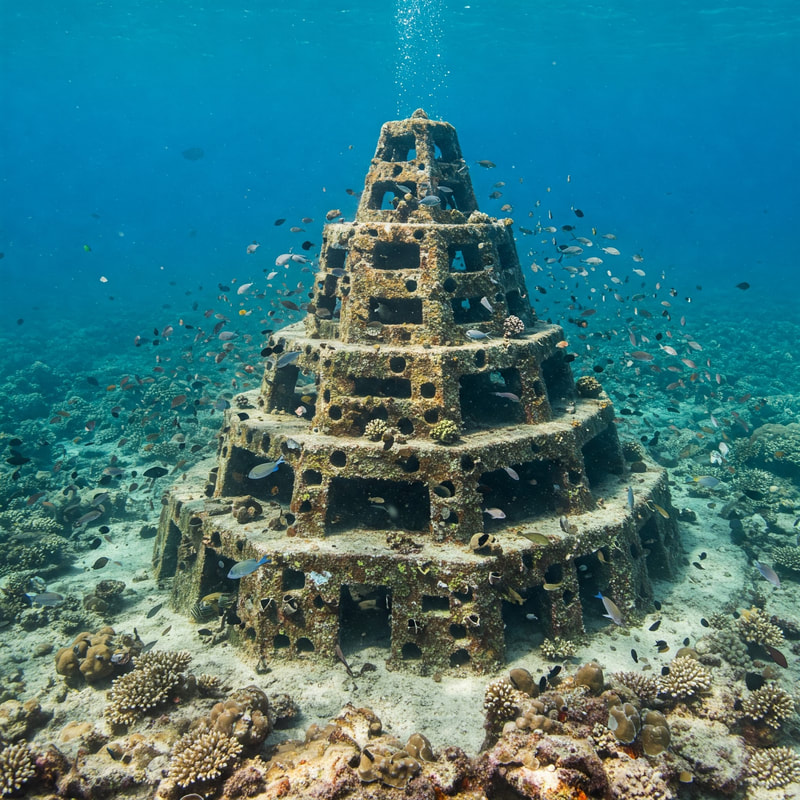
As tropical coral reefs decline globally, there is an urgent need to deploy engineered structures to mitigate flooding, erosion, and storm damage that increasingly impact our local coastal communities. These impacts include loss and/or collapse of important fisheries species currently supporting over 500 million people worldwide.
Inspired by Native Hawaiian knowledge, this project works to restore and greatly enhance reef fisheries using state-of-the-art research to create biomimetic, nature-based artificial fish habitat structures. Leveraging recent advances in materials science, the project designs reef-mimicking structures that maximize fish abundance, diversity, and biomass on degraded reefs.
By integrating modern ecological and engineering science with the concept of imu, an ancient Hawaiian fishing practice which constructed coral-rubble fish houses to attract key resource fishes, this project aims to deliver a functional, culturally-grounded and scalable nature-based solution that will restore, protect and enhance fish biodiversity and sustainable fisheries yields for local communities.
Support this project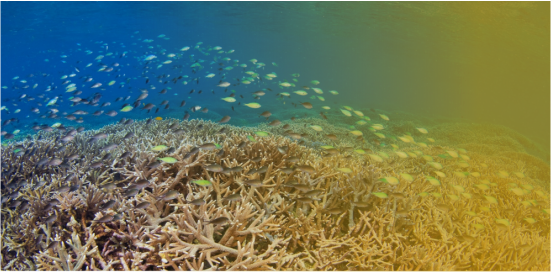
Sediment Loading / Turbidity
Excess sedimentation is considered a primary cause of habitat degradation on near-shore coral reefs worldwide, yet virtually nothing is known of the sensitivity of reef fishes. This research clarifies sedimentation impacts to key life-history stages of coral reef fishes, including settlement and habitat selection, their ability to find food and avoid predators, and breathe as sediments clog gills, eyes and nostrils.
Our main research focus is the likely impact on key functional groups of fishes and the ultimate outcome for ecosystem resilience and fisheries, with a view to support management. Although classified as the second largest killer of coral reefs globally, the exact level of run-off that triggers loss of fish and fisheries productivity remains unknown.
Luckily, run-off is a localized threat that can be dealt with quickly and effectively at the community scale once accurate research information becomes available. Our research is explicitly designed to establish run-off tipping points (or threshold limits) as water quality targets for local communities and nation states.
Support this project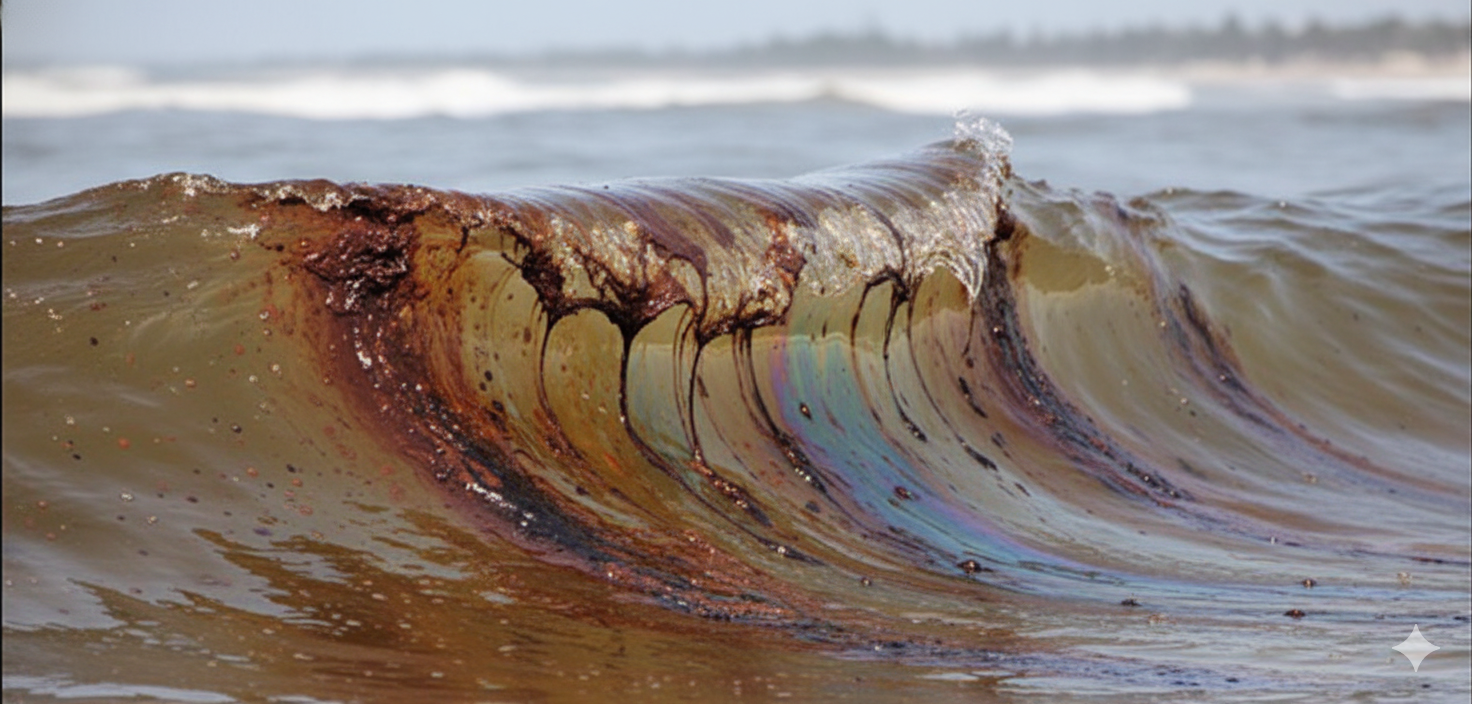
Industrial Effluent / Pollution
It is estimated that more than 100,000 man-made chemicals are in routine use worldwide, many entering our aquatic environments with the potential to severely destabilize the health of species and ecosystems, and impact food security.
This research uses state-of-the-art toxicological assays spanning sub-cellular function to whole animal ecology and physiology to clarify the effect of contamination on the resilience and survival of ecologically and commercially important fish species.
Marine Heatwaves
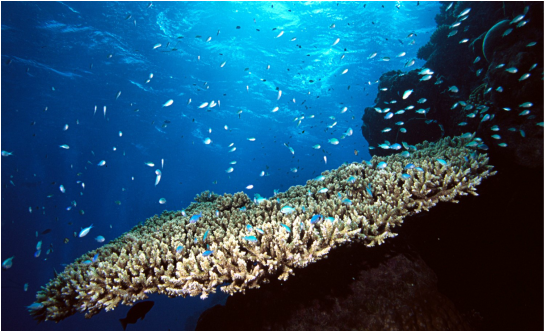
It is estimated that more than 30% of the world's coral reefs have disappeared in the last 30 years, and the rate of decline is escalating. This research is focused on the capacity of reef fish and octopus to tolerate recurrent marine heatwaves, with a particular emphasis on species of ecological or commercial importance.
We utilize a blend of field surveys and behavioral experiments, with high-tech laboratory based assessments of behavioral and physiological (particularly metabolic) responses. Working across the globe, including on the world’s warmest coral reefs, the Fish Resilience Program is actively working with educators, managers and communities to help identify and protect thermally tolerant reef fishes for future generations.
Support this project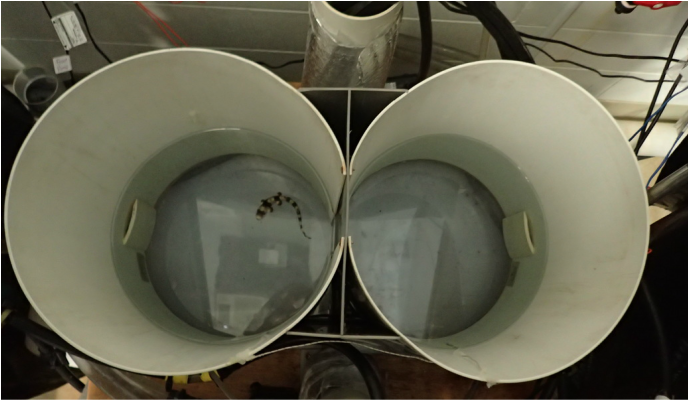
Behavioral Preference
A novel research direction that we explore is the role of behavioral avoidance or preference of reef organisms for specific habitat and water quality conditions. In many habitats the realized abundance of reef fishes differ from the expected abundance, likely driven by avoidance behavior against e.g. localized sediment loading, turbidity, oil pollution, and/or water temperature.
This research quantifies innate preferences for particular water-quality conditions and the conditions that may cause individuals to relocate long before damage or health of the individual declines.

Metabolic Performance
Metabolic rates of aquatic organisms can be precisely quantified from measurements of oxygen consumption through swimming and resting respirometry (similar to a treadmill for measuring calories burned in humans running). Respirometry is an array of extremely powerful tools to quantify e.g. daily energy demand and thermal tolerance limits.
We use these state-of-the-art techniques in many aspects of our research. See examples on YouTube.

Field Monitoring
Long-term and detailed monitoring of marine ecosystems are necessary to fully understand and appreciate the changes that are occurring right under the waves. Along with behavioral studies of species in the wild, surveys of species diversity and abundance form the basis for much of our understanding of aquatic ecosystems today.
We utilize surveys to assess species and ecosystem function and health across gradients of environmental stress.