Publications, team milestones, outreach highlights, software releases & field updates
Software
Temp-Pref Tracker v.2.5 released
Temp-Pref Tracker v.2.5 is now available on the Fish Resilience Program website. This update adds optional internal core/body temperature estimation based on specimen mass and chamber temperature, updates the installer package, and includes the revised v.2.5 user manual for download.
CTmax Tracker v1.2 is now available through the Fish Resilience Program website. The software was developed for Critical Thermal Maximum experiments in fish and other aquatic ectotherms. The software combines interactive specimen tracking, live DAQ-linked temperature monitoring, ramp control, CTmax event logging with internal temperature estimation, and CSV export in a single Windows desktop application.
ʻAʻaliʻi Kelling’s imu research featured in Hawaiian Airlines Hana Hou! Magazine
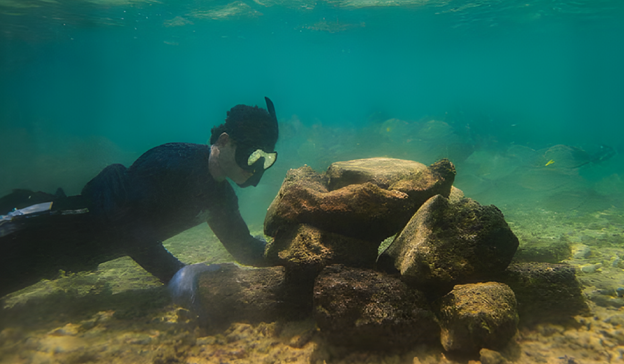
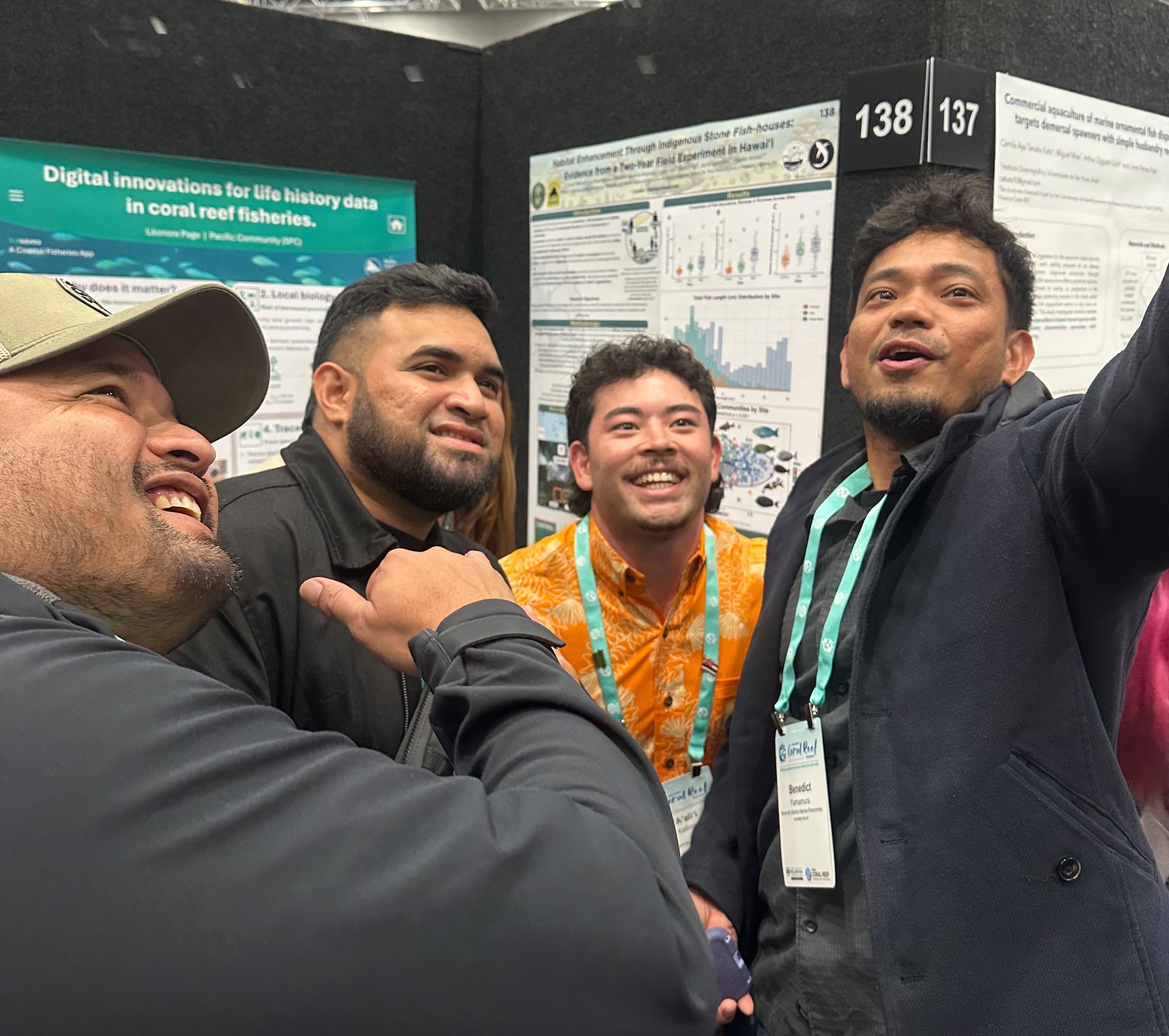
Congratulations to ʻAʻaliʻi Kelling, whose research on imu (traditional Hawaiian fish houses) has been showcased in Hana Hou!, the in-flight magazine of Hawaiian Airlines. The feature highlights ʻAʻaliʻi’s work exploring how these culturally significant structures influence juvenile fish behavior and habitat use — a wonderful example of integrating Native Hawaiian traditional knowledge with modern marine science.
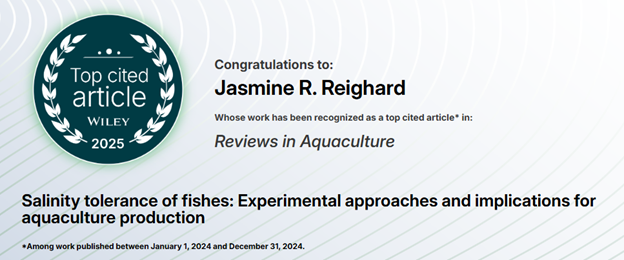
Jasmine Reighard recognized among top cited authors in Reviews in Aquaculture
PhD candidate Jasmine Reighard has been recognized among the top 10 most cited authors for the journal Reviews in Aquaculture among 2024 publications. Her article “Salinity tolerance of fishes: Experimental approaches and implications for aquaculture production” was recognized as a top cited article by Wiley. Amazing accomplishment!
Outreach
Voice of the Sea documentary features Fish Resilience Program
The lab’s coral reef fish research is featured in a full documentary episode on Voice of the Sea, a PBS Hawaiʻi television series produced by Hawaiʻi Sea Grant. The episode, “Clean Water, More Fish, Healthy Reef” (Season 13, Episode 2), explores our work in Kāneʻohe Bay and how ʻāina stewards are restoring streams and reefs.
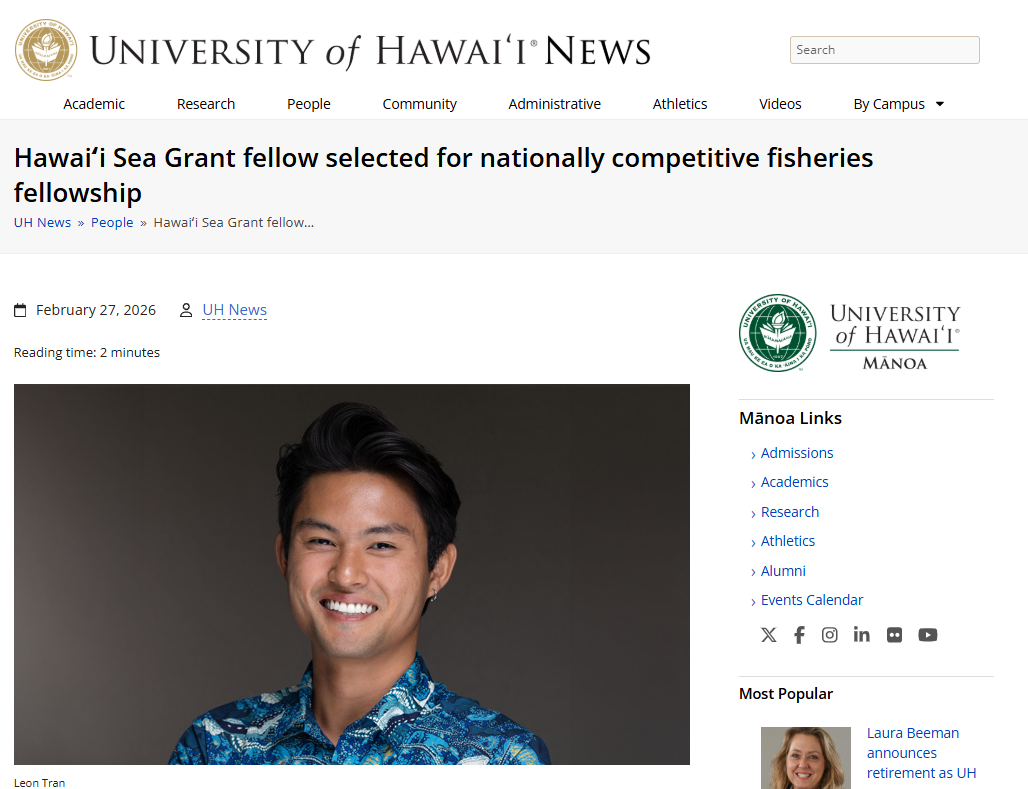
Leon Tran selected for nationally competitive fisheries fellowship
Johansen Lab student and Hawaiʻi Sea Grant Fellow Leon Tran has been selected for a nationally competitive fisheries fellowship. Leon’s research integrates species distribution modeling with experimental physiology to predict how coral reef fish distributions will shift under environmental change.
Honolulu Civil Beat published a feature on the lab’s work showing how herbivorous reef fish help protect coral reefs — and what happens when sediment runoff undermines their ability to do so.
ʻAʻaliʻi Kelling defends M.S. thesis & returns as Ph.D. student
Congratulations to ʻAʻaliʻi Kelling for successfully defending his M.S. thesis on the influence of Native Hawaiian imu (fish houses) on juvenile fish behavior! ʻAʻaliʻi has immediately rejoined the Johansen Lab as a Ph.D. student, where he will continue his research on fish-habitat interactions and cultural resource management.
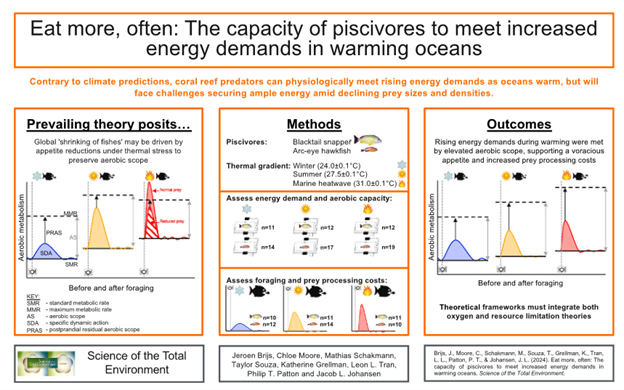
New paper in Science of the Total Environment: Piscivores and warming oceans
Brijs J, *Moore C, *Schakmann M, *Souza T, *Grellman K, *Tran LL, *Patton PT, Johansen JL (2025) Eat more, often: The capacity of piscivores to meet increased energy demands in warming oceans. Science of The Total Environment, 973, p.179105.
New paper in Journal of Experimental Biology: Social environment and swim speed
*Tiddy IC, *Neill CM, *Rosén A, *Hasegawa Y, Domenici P, Johansen JL, Steffensen JF (2025) Effects of social environment and energy efficiency on preferred swim speed in a marine generalist fish, pile perch (Phanerodon vacca). J Exp Biol, 228(5).
Johansen Lab at the Indo-Pacific Fish Conference in Taiwan
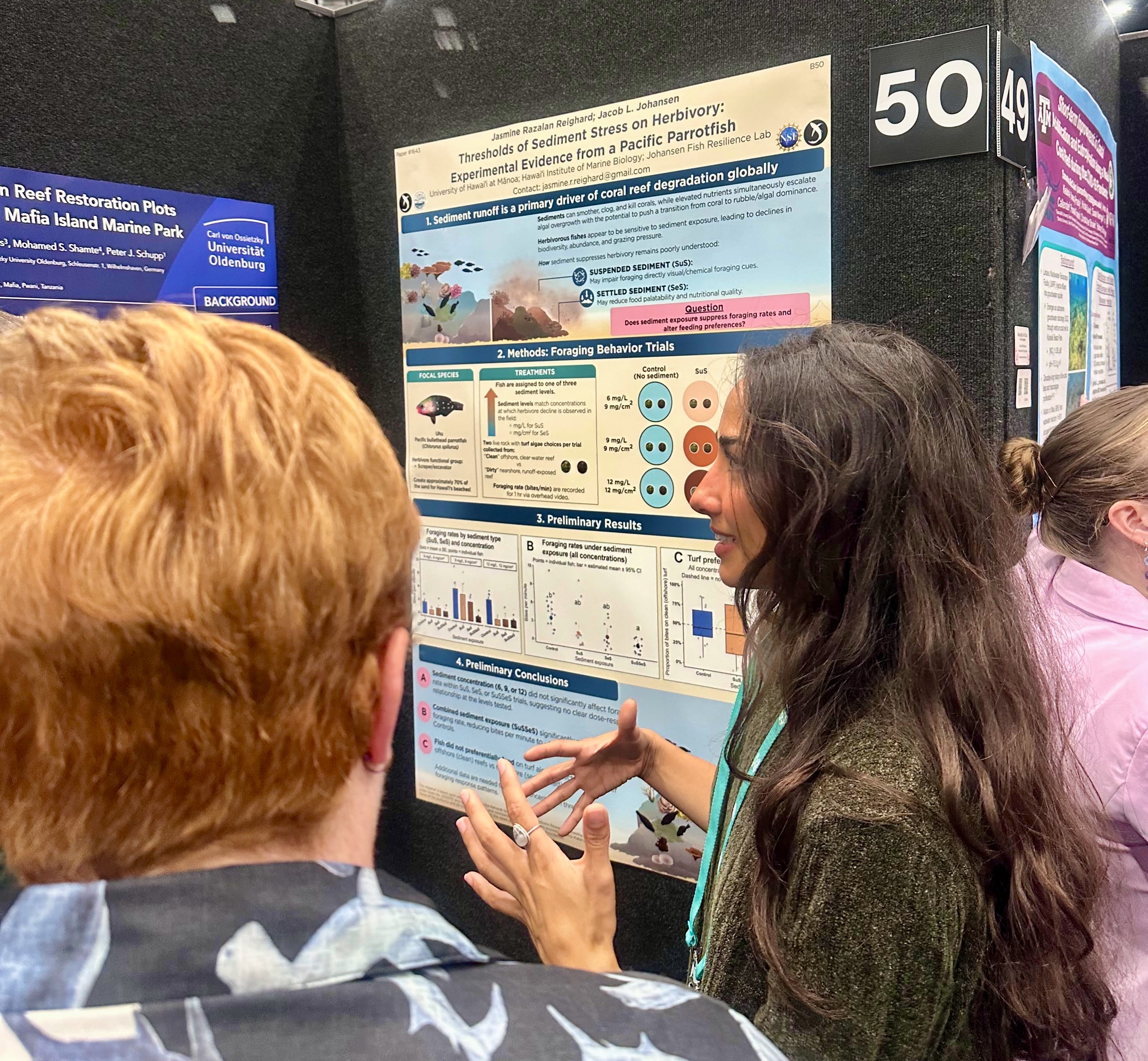
This June, several Johansen Lab researchers and collaborators traveled to Taipei, Taiwan, for the 2025 Joint Conference of the Asian Society of Ichthyologists Annual Meeting and the 12th Indo-Pacific Fish Conference. Jake Snyder presented the first chapter of his PhD thesis on modeling coral reef and herbivorous fish outcomes, while Jasmine Reighard presented her research quantifying the metabolic costs of sediment exposure using 3D-printed respirometry chambers. Lisa McManus also participated.
Research
Mud-to-Makai in Guam
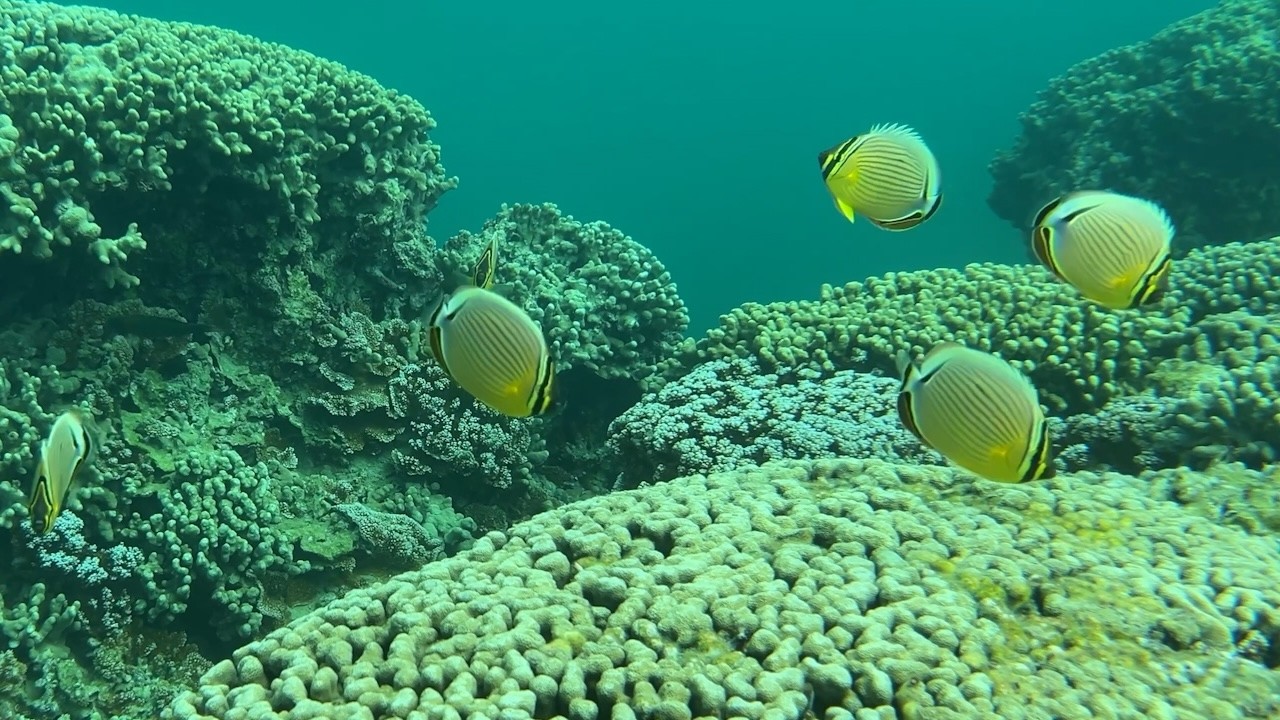
In April, PI Jacob Johansen and postdoc Linda Eggertsen visited Prof Brett Taylor at the Marine Lab at University of Guam. Profs Howard Choat and Andy Hoey (JCU) also joined the trip. We had a productive week at the Marine Lab working on samples collected in Hawaii as part of the “Mud to Makai” project, studying effects of land-based sediment runoff on herbivorous fishes. Prof Choat also visited us at HIMB on the way back to Australia. A huge thank you to Brett for having us!
Team
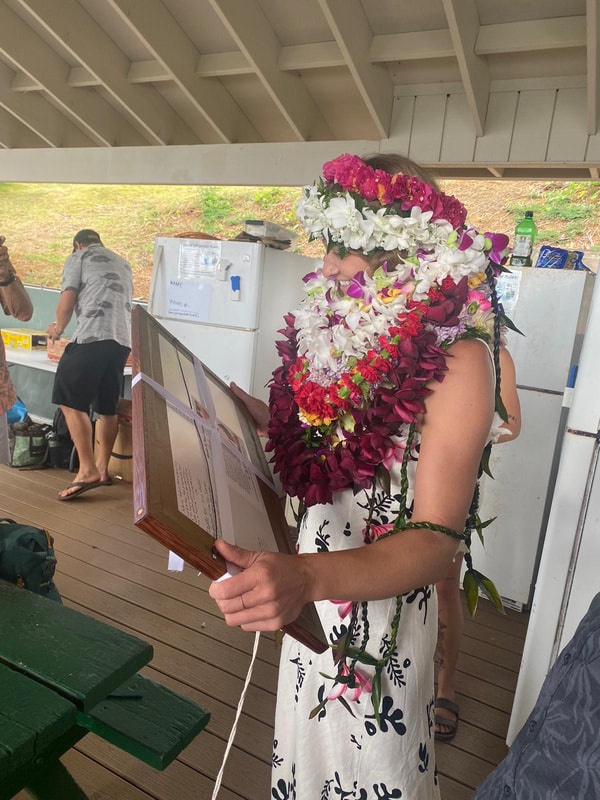
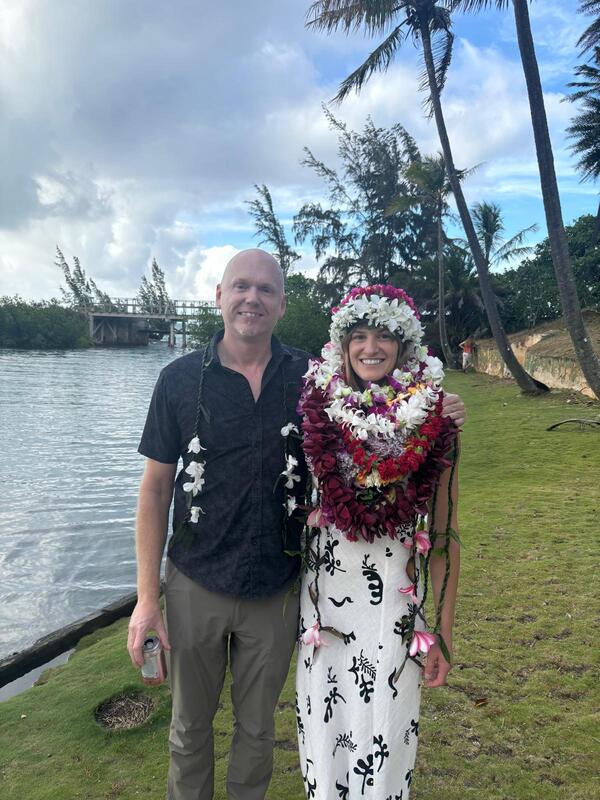
Congratulations to Katherine Grellman — first student to graduate from the Johansen Lab!
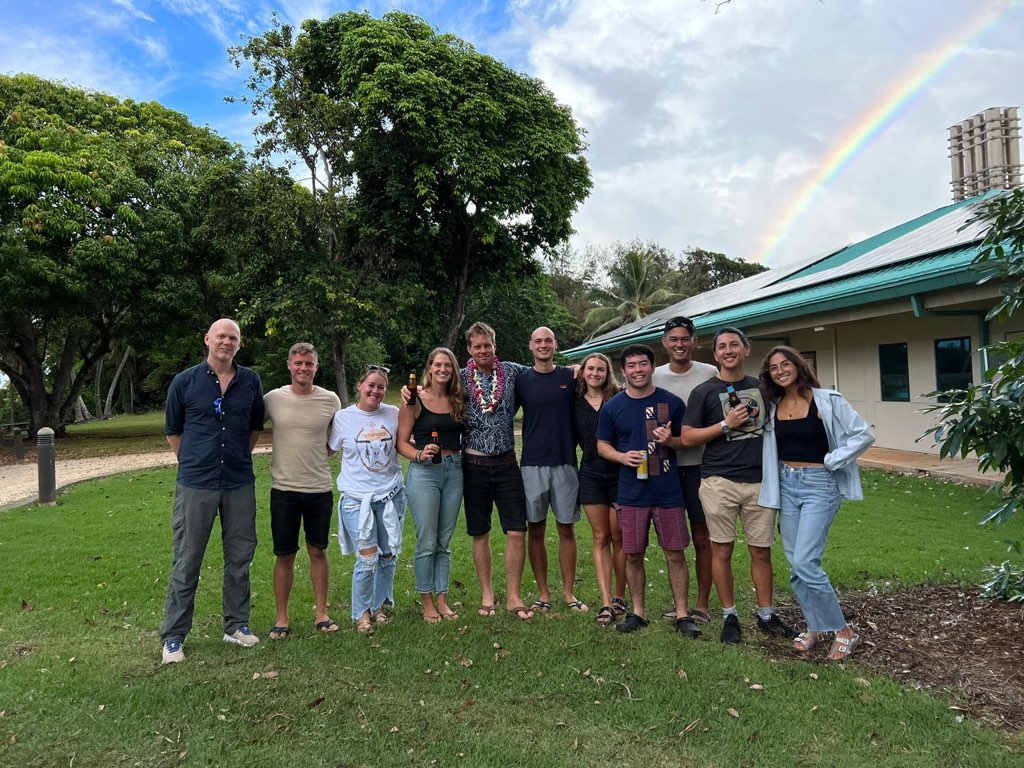
Congrats to Kat for becoming the first student to graduate from the Johansen Lab following the successful defense of her master’s thesis! We wish her well in her future endeavors and hope to see her often. What better way to celebrate than a nice climb outdoors with food, drinks, and friends!
Team
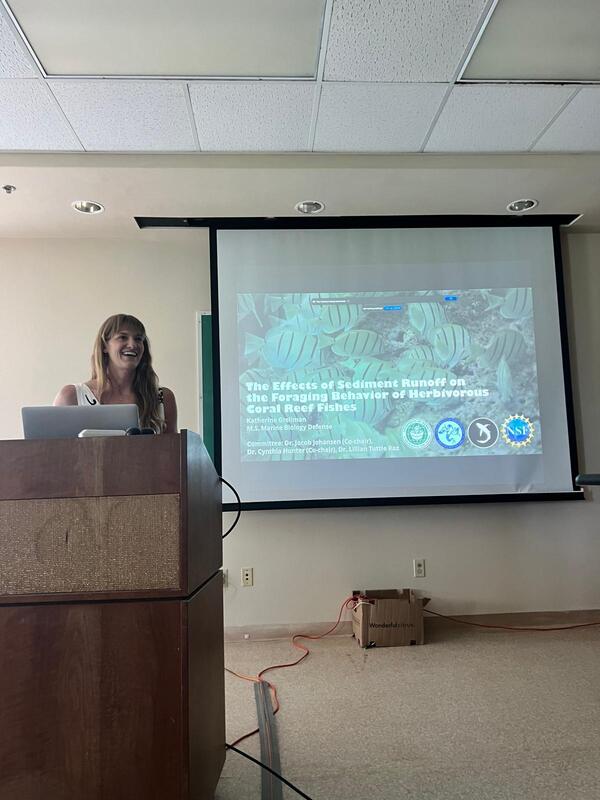
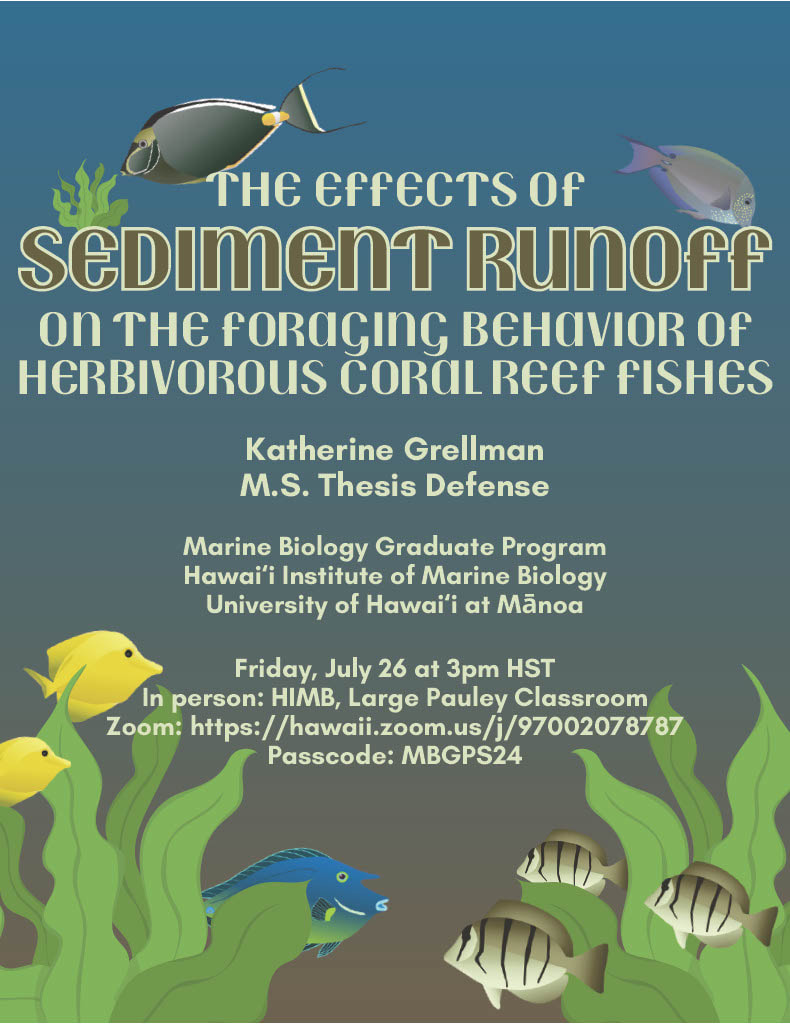
Come see Katherine Grellman’s M.S. thesis defense!
Katherine defended her M.S. thesis on the effects of enhanced sediment-laden algal turfs on herbivorous fish interactions. She was the first student to complete their degree in the Johansen Lab.
Publication
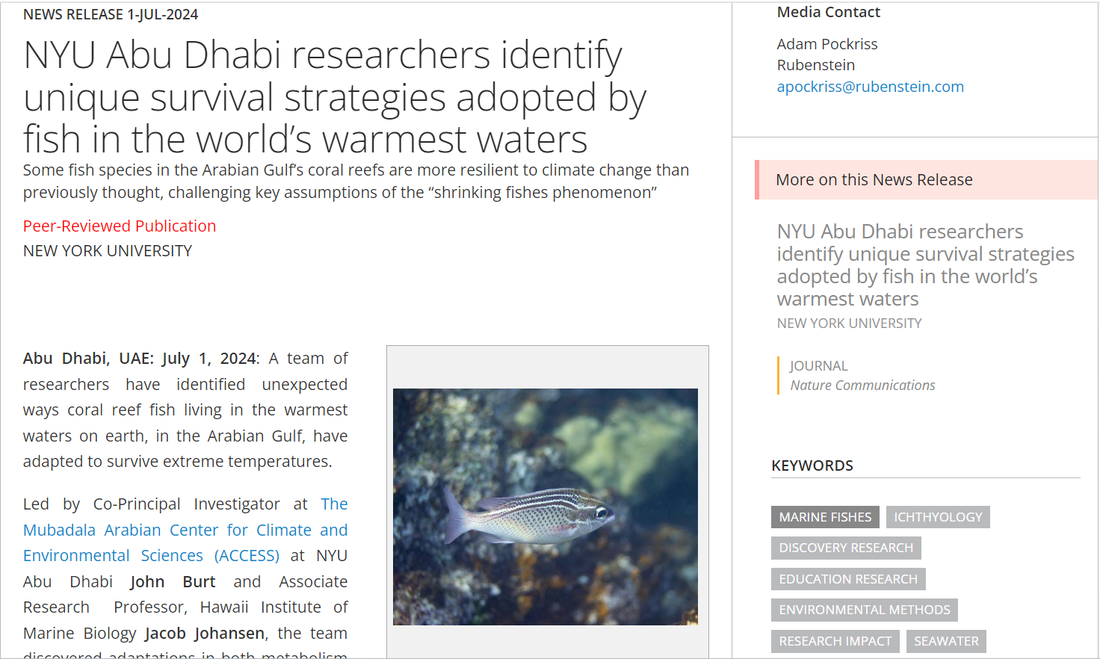
Why are fish shrinking as the oceans warm?
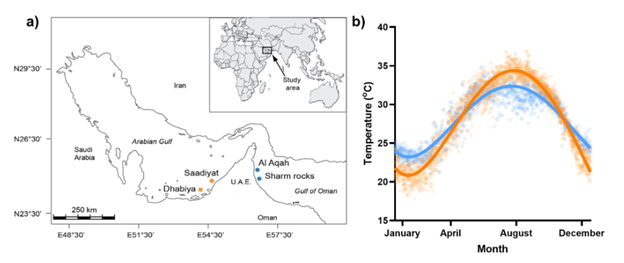
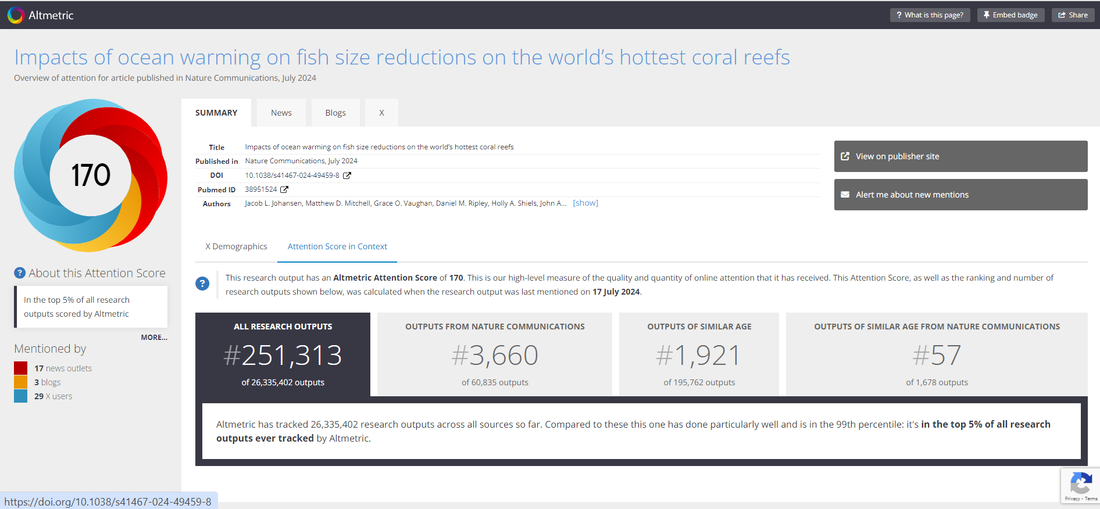
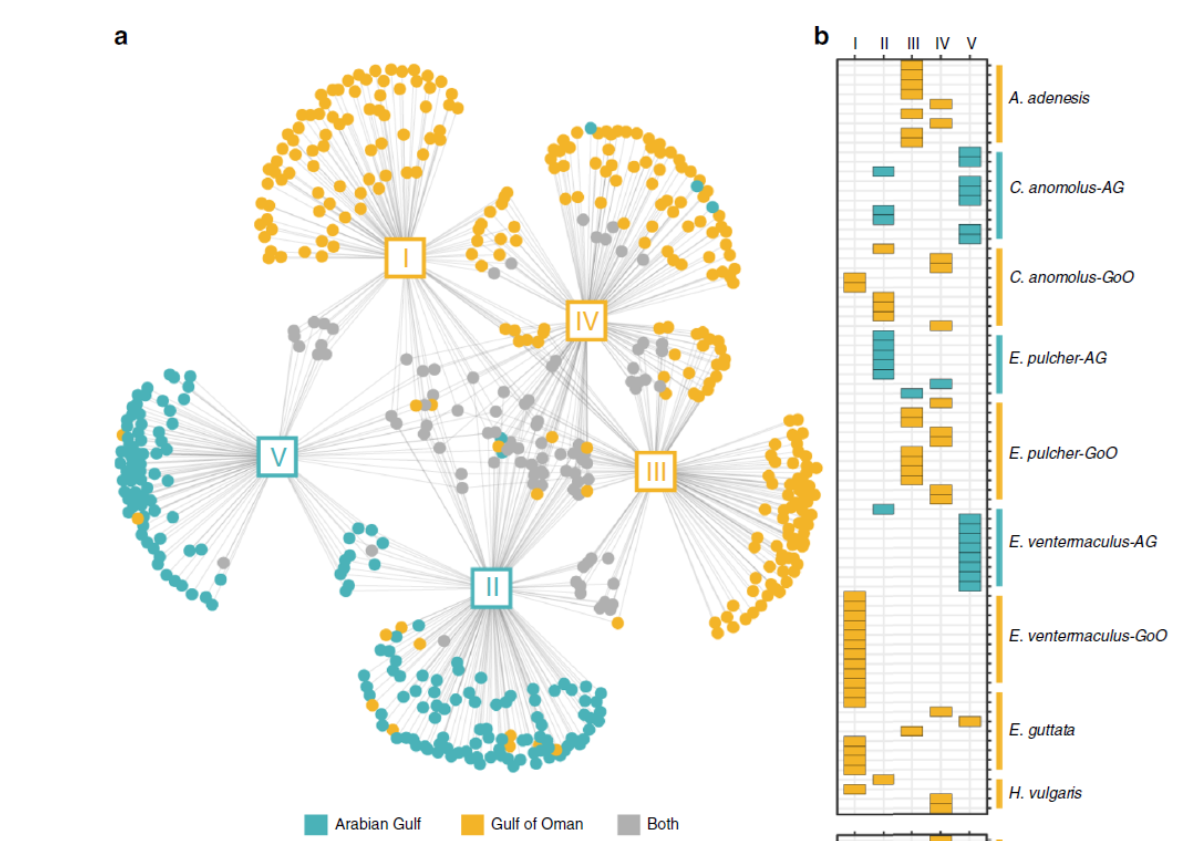
Find out in the Johansen Lab’s publication, “Impacts of ocean warming on fish size reductions on the world’s hottest coral reefs”, published in Nature Communications. The news release hit nearly all the main dailies in the UAE including The National, Gulf News, Al Etihad, and Al Khaleej. This research scored in the top 5% of all research outputs by Altmetric.
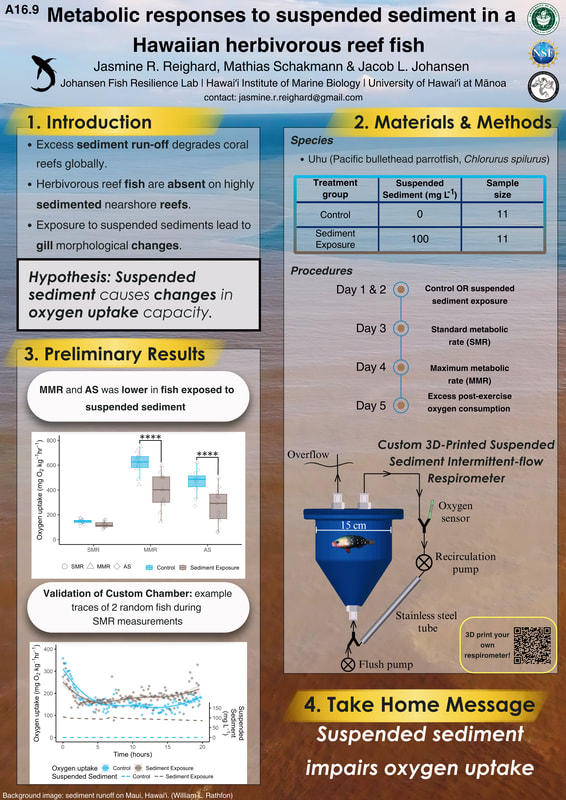
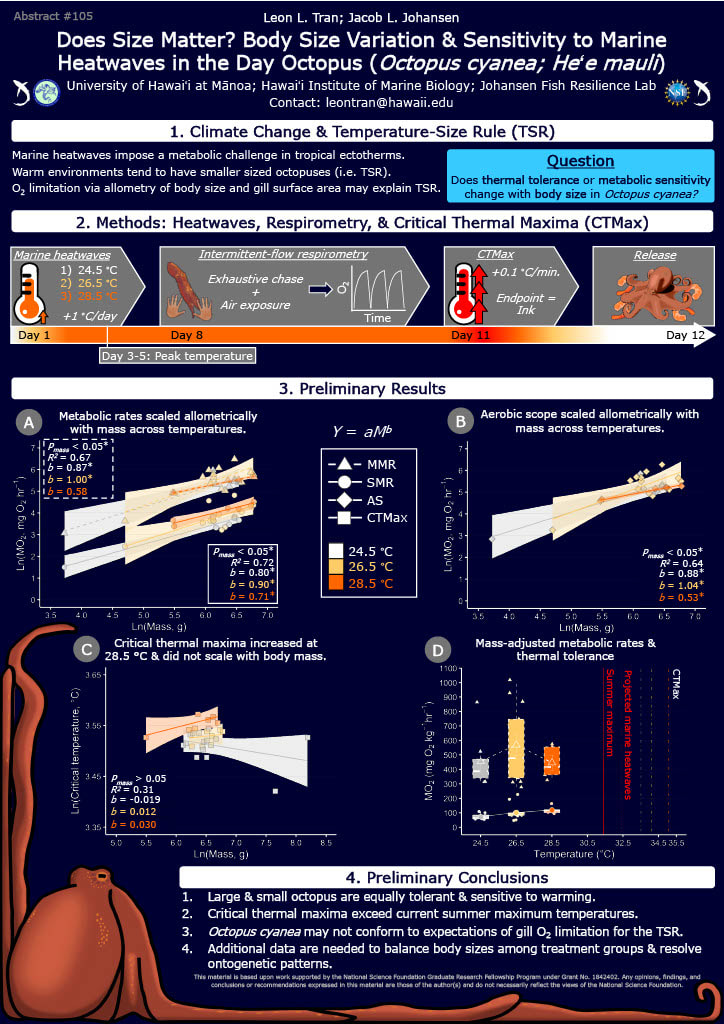
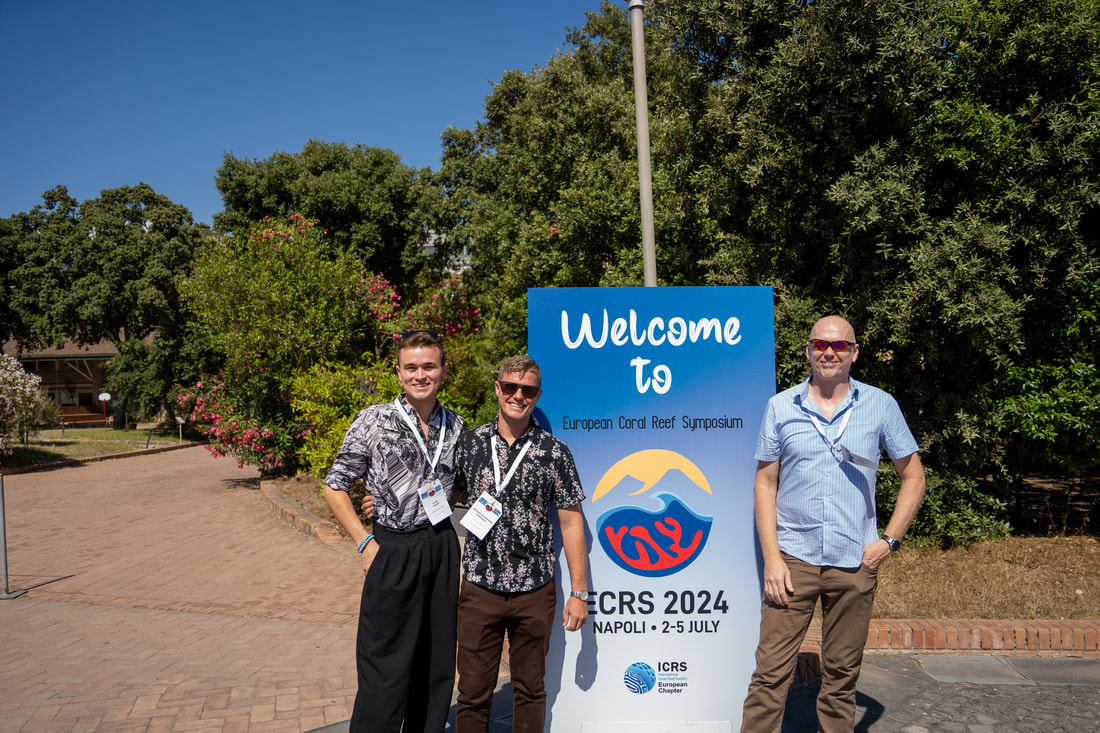
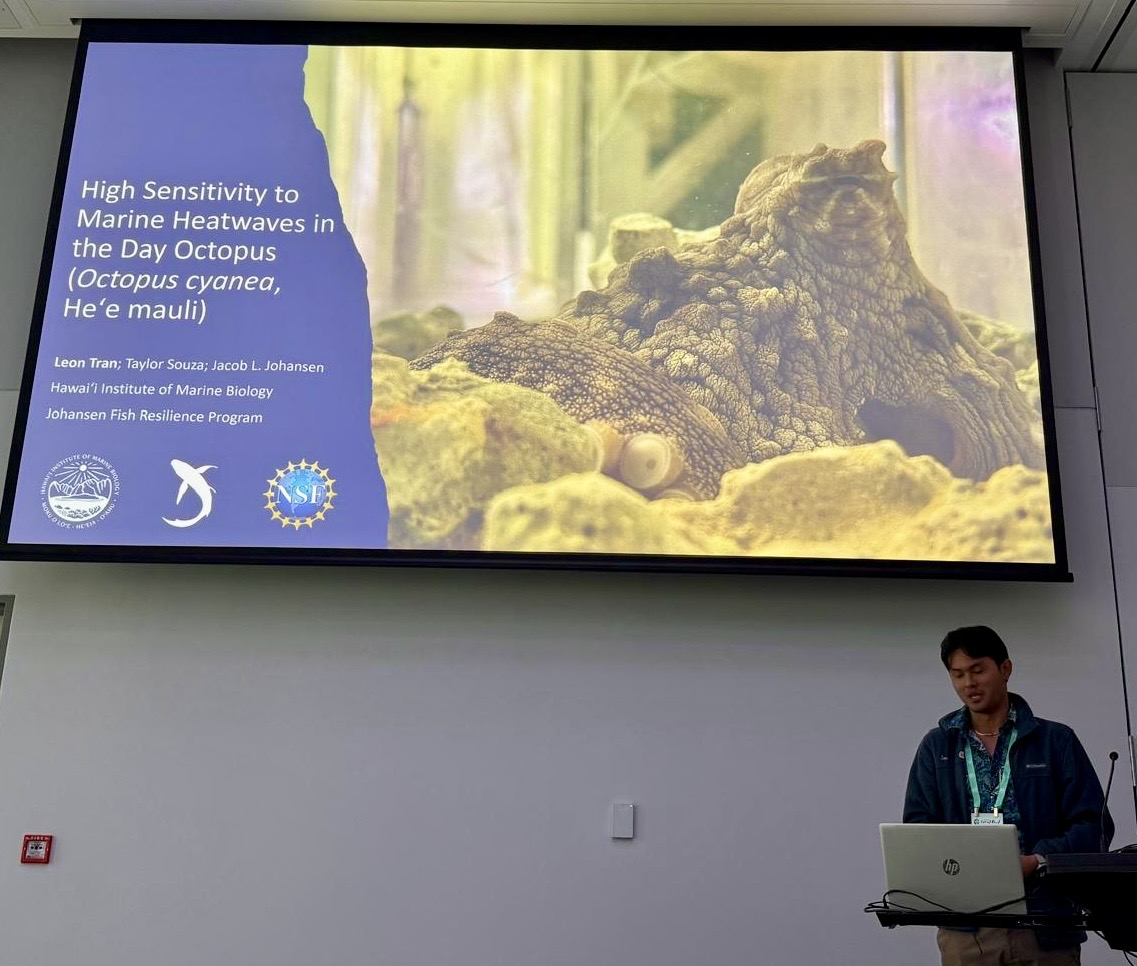
Leon Tran and Jasmine Reighard traveled to Prague, Czech Republic, to present their preliminary results at the Society of Experimental Biology. Jasmine presented her poster on “Metabolic responses to suspended sediment in a Hawaiian herbivorous reef fish”, while Leon presented his on “Body size variation and sensitivity to marine heatwaves in the day octopus (Octopus cyanea)”. Leon received the Best Early Career Research Award for his poster session, sponsored by Functional Ecology. Meanwhile, Jacob Johansen, Jake Snyder, and Mathias Sorensen traveled to Naples, Italy, where Mathias presented his preliminary results at the European Coral Reef Symposium.
Team
Congrats to Katherine Grellman on starting her career!
Katherine was recently hired by The Nature Conservancy as their Coastal Science Specialist. In her new role, she will support water quality strategies to prevent land-based pollutants from impacting marine ecosystems across the Hawaiian islands. Way to utilize your graduate experience!
New paper in Frontiers in Fish Science: Hypoxia and swimming in pile perch
*Frank LC, *Prescott LA, *Scott ME, Domenici P, Johansen JL, Steffensen JF (2024) The effect of progressive hypoxia on swimming mode and oxygen consumption in the pile perch, Phanerodon vacca. Frontiers in Fish Science, 2, 1289848.
Shane Ribovich has joined the Fish Resilience Program as Lab Manager, overseeing day-to-day operations of the Johansen Lab at HIMB including the experimental seawater systems and field equipment.
RECOVER Virtual Lab brings fish physiology to classrooms
The RECOVER Virtual Lab — an interactive online tool developed with the lab’s research — now lets K–12 and college students explore how oil spills affect fish swimming performance. Freely available as a STEM education resource.
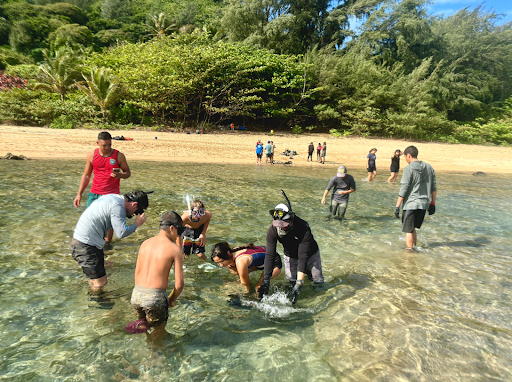
ʻAʻaliʻi Kelling, Jasmine Reighard, and Leon Tran traveled to Kauaʻi during spring break to lead an educational workshop for high school students about the traditional Hawaiian practices of Imu (Fish Houses).
Publication
New paper in Global Change Biology: Seasonal resilience to heatwaves and hypoxia
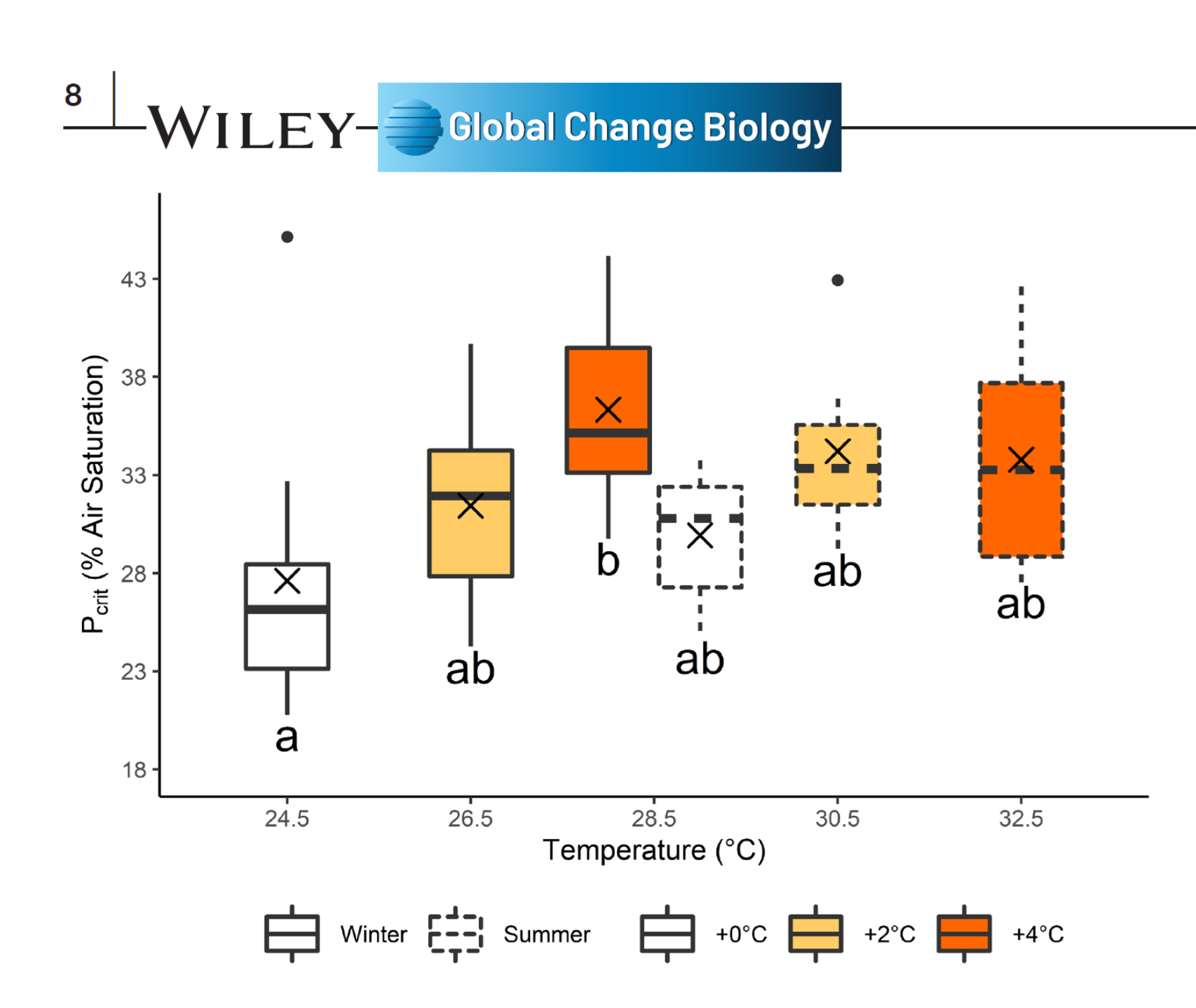
*Tran LL, Johansen JL (2023) Seasonal variability in resilience of a coral reef fish to marine heatwaves and hypoxia. Global Change Biology, 29(9), 2522–2535.
Dr. Linda Eggertsen joins the lab as Postdoctoral Researcher
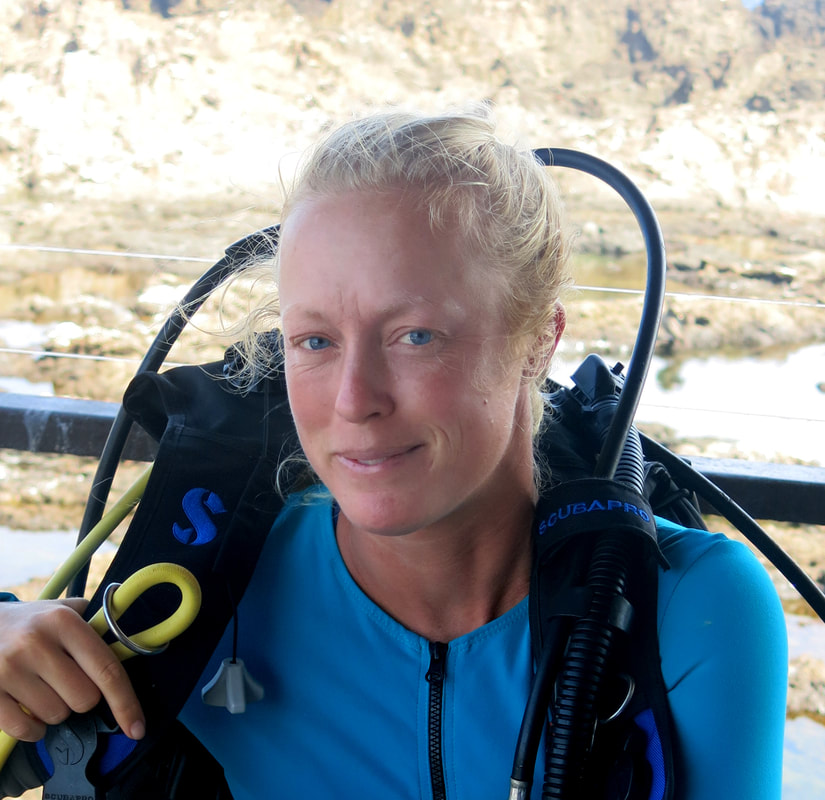
We are happy to welcome our newest member of the team, Dr. Linda Eggertsen. Linda is an extremely skilled field biologist and we look forward to her work on fish herbivory across terrigenous runoff gradients.
We said a bittersweet goodbye to our Post-Doc researcher Jeroen Brijs as his fellowship at the Johansen Lab has come to a close. We wish him all the best in his future endeavors and look forward to his publications about the effects of marine heatwaves on Hawaiian coral reef fish. You will be missed around the lab Jeroen!
Team
Welcome new students ʻAʻaliʻi Keling & Jonathan Rosen
We are happy to welcome ʻAʻaliʻi Keling (MSc) and Jonathan Rosen (MSc) to our lab, both of whom are working on ways to improve fish recruitment and health in Hawaiʻi.
NSF grant to study sediment runoff & herbivorous fish
The Johansen Fish Resilience Lab is happy to announce that we just received a generous NSF grant to study the effect of sediment runoff on herbivorous fish functions. This project will start in February 2023.
Team
Welcome M.S. student Katherine Grellman!
We’re super excited to be officially adding M.S. student Katherine Grellman to our lab team! Kat is a familiar face to the lab as she has helped out with previous field work and other projects. Now, Kat will be researching the effects of enhanced sediment-laden algal turfs on herbivorous fish interactions!
Team
Leon Tran passes oral comprehensive exam
Big congratulations to PhD student Leon Tran for passing his oral comprehensive exam for the UHM Marine Biology Graduate Program. Good work Leon!
Team
Welcome new PhD student Jasmine Reighard
Jasmine will be studying how declining water quality affects reef fish stress responses! She was also awarded a grant from the National Science Foundation Graduate Research Fellowship Program (NSF GRFP) to fund her research.
Publication
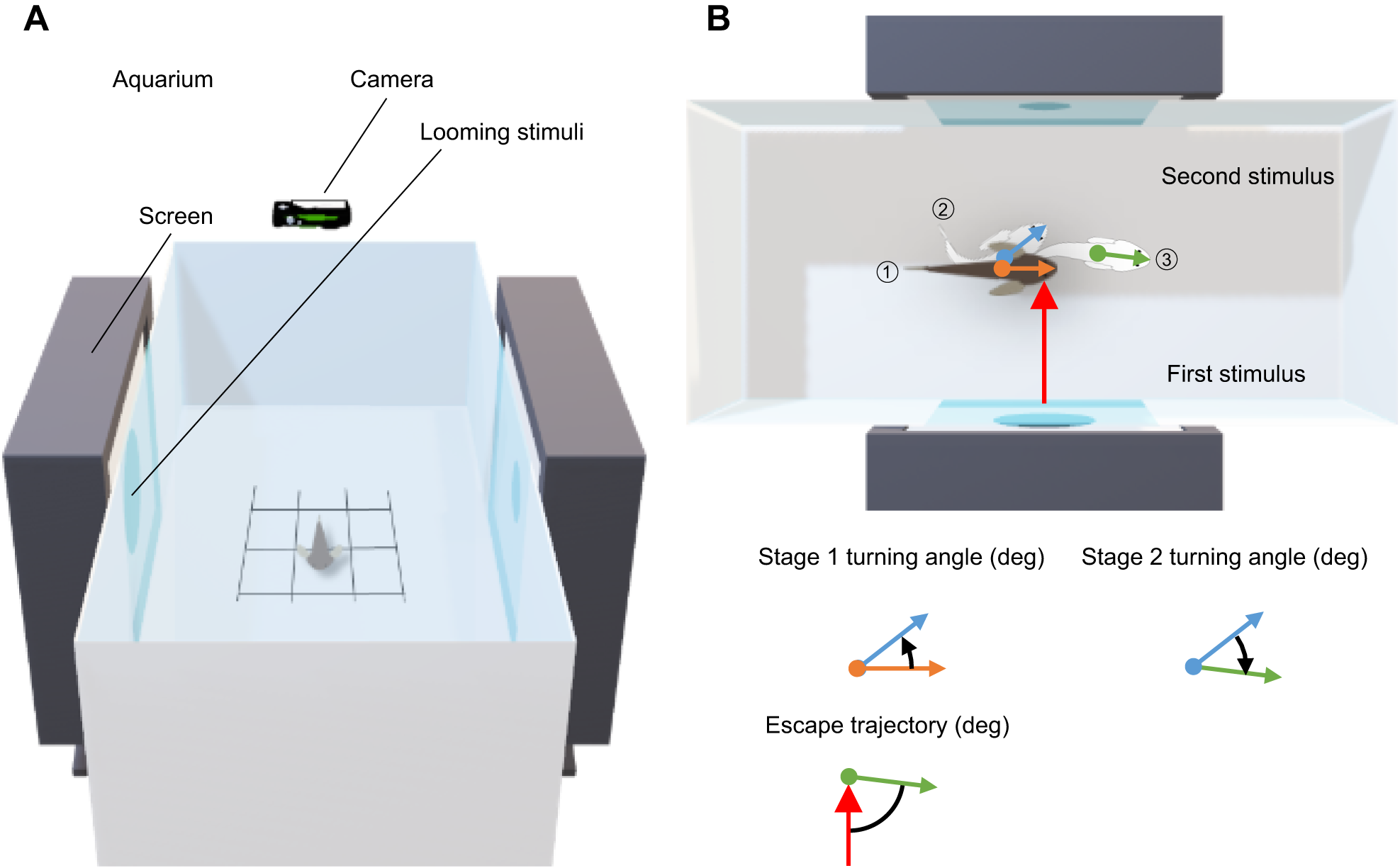
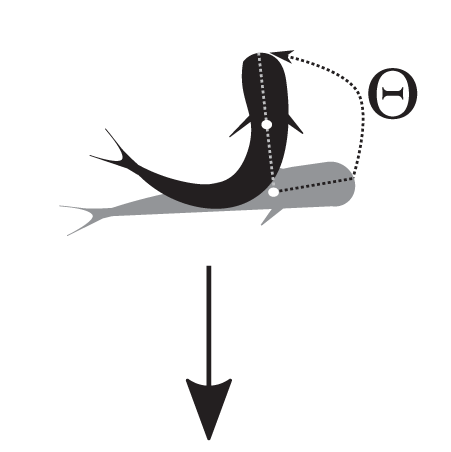
New paper in Journal of Experimental Biology: Escape responses from multiple threats
*Kimura H, *Pfalzgraff T, *Levet M, *Kawabata Y, Steffensen JF, Johansen JL, Domenici P (2022) Escaping from multiple visual threats: modulation of escape responses in Pacific staghorn sculpin (Leptocottus armatus). J Exp Biol 225(9).
Congratulations to Leon Tran for advancing from the M.Sc. to the Ph.D. track in the UHM Marine Biology Graduate Program. Well deserved!
Publication
New paper in Philosophical Transactions of the Royal Society B: Bio-sensing in aquaculture
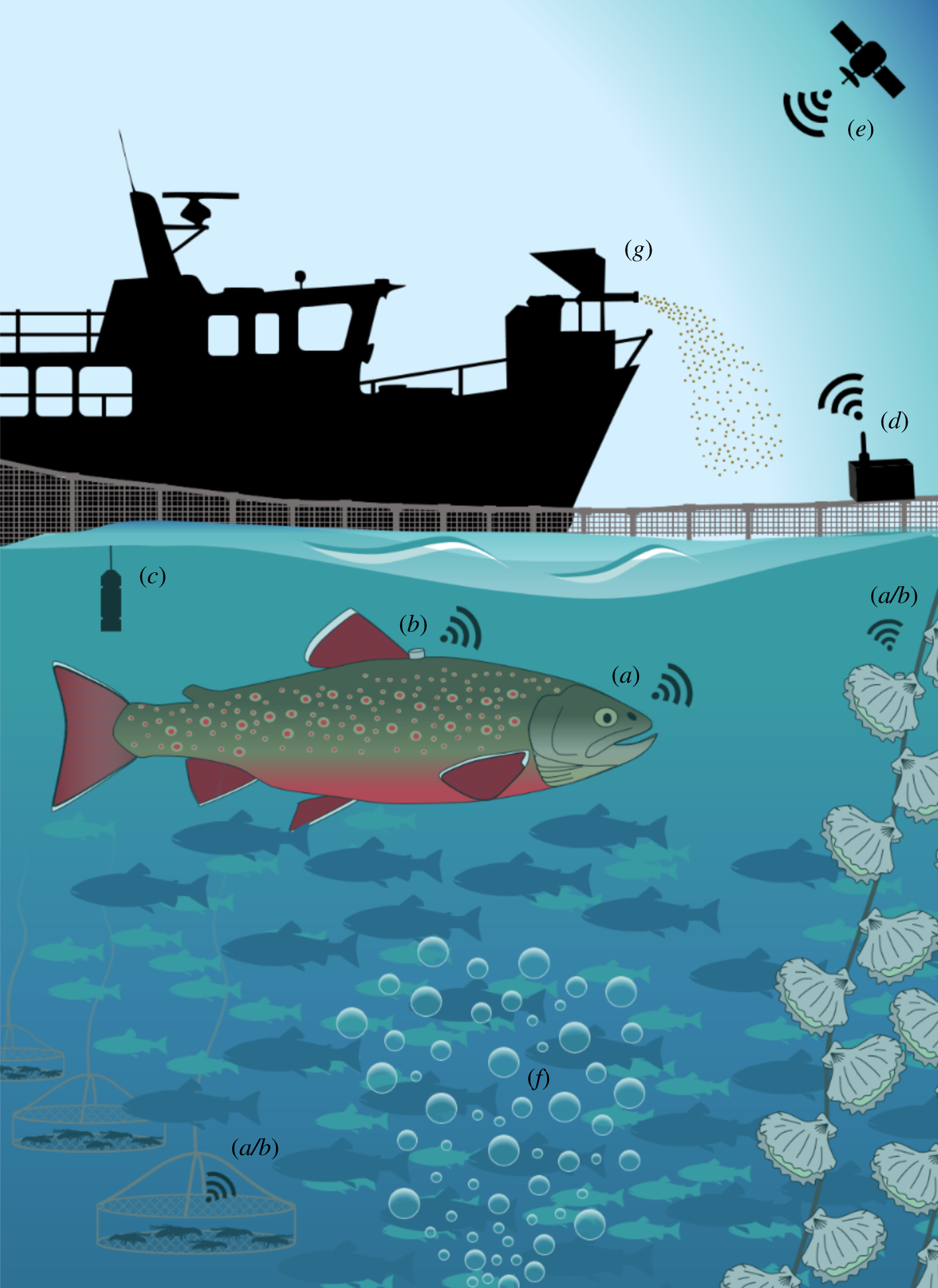
Brijs J, Føre M, Gräns A, Clark TD, Axelsson M, Johansen JL (2021) Bio-sensing technologies in aquaculture: how remote monitoring can bring us closer to our farm animals. Philosophical Transactions of the Royal Society B 376(1830), 20200218.
New paper in Environmental Science & Technology: Oil exposure and predation risk
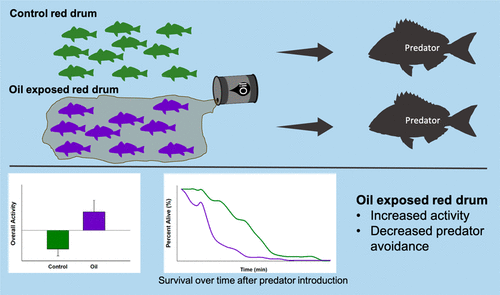
*Khursigara AJ, *Rowsey LE, Johansen JL, Esbaugh AJ (2021) Behavioral changes in a coastal marine fish lead to increased predation risk following oil exposure. Environ. Sci. Technol. 55(12), 8119–8127.
New paper in Oecologia: Species interactions and thermal environment selection
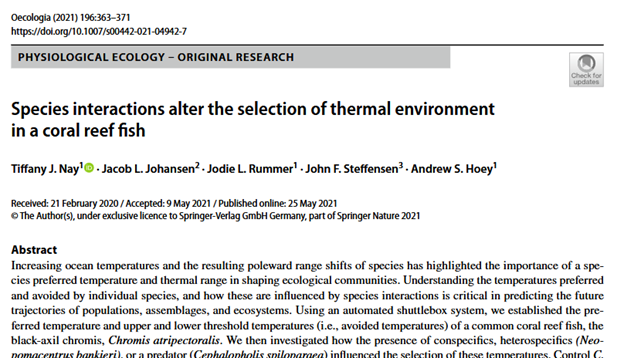
*Nay T, Hoey AS, Rummer JL, Steffensen JF, Johansen JL (2021) Species interactions alter the selection of thermal environment in a coral reef fish. Oecologia, 1–9.
New paper in Science of the Total Environment: Oil exposure effects on growth and competition
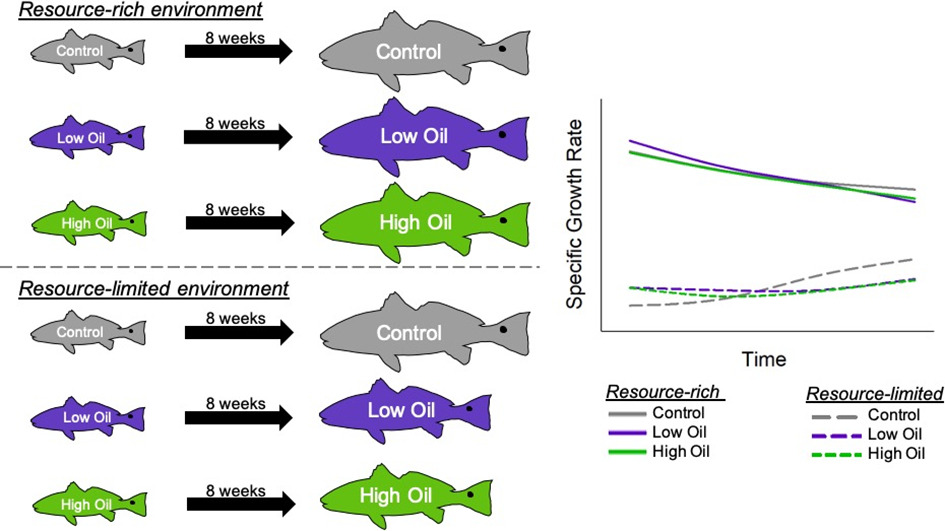
*Khursigara AJ, Johansen JL, Esbaugh AJ (2021) The effects of acute crude oil exposure on growth and competition in the red drum, Sciaenops ocellatus. Science of the Total Environment 751, 141804.
Extreme heat causes loss of diversity and productivity
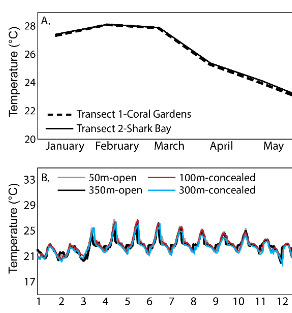
New paper out today in Nature Communications: extreme environmental conditions reduce coral reef fish biodiversity and productivity. This study demonstrated how marine heatwaves dramatically reshape reef fish communities on the world’s hottest reefs.
Welcome new PhD student Mathias Schackmann Soerensen
Mathias will be investigating the effects of sedimentation and turbidity on coral reef fishes.
Team
Welcome new postdoc Dr Jeroen Brijs
Jeroen will be investigating the effects of ocean warming on feeding energetics in reef fishes.
Team
Leon Tran receives NSF GRFP award
Congratulations to M.Sc. student Leon Tran for receiving the prestigious National Science Foundation Graduate Research Fellowship Program (NSF GRFP) award. Well done!